

Agriculture
PA’s next generation of farmers is finding their roots
In the only state with its own Farm Bill, young farmers find support as they evolve a $132 billion industry
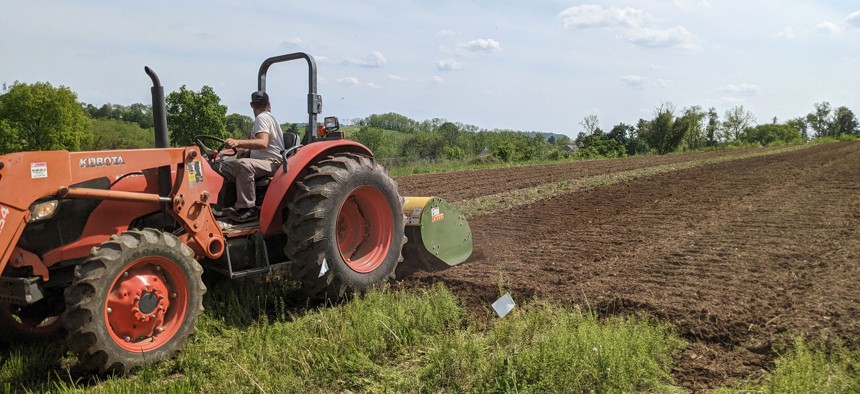
A worker prepping land at Root Mass Farm FarmerJawn Agriculture

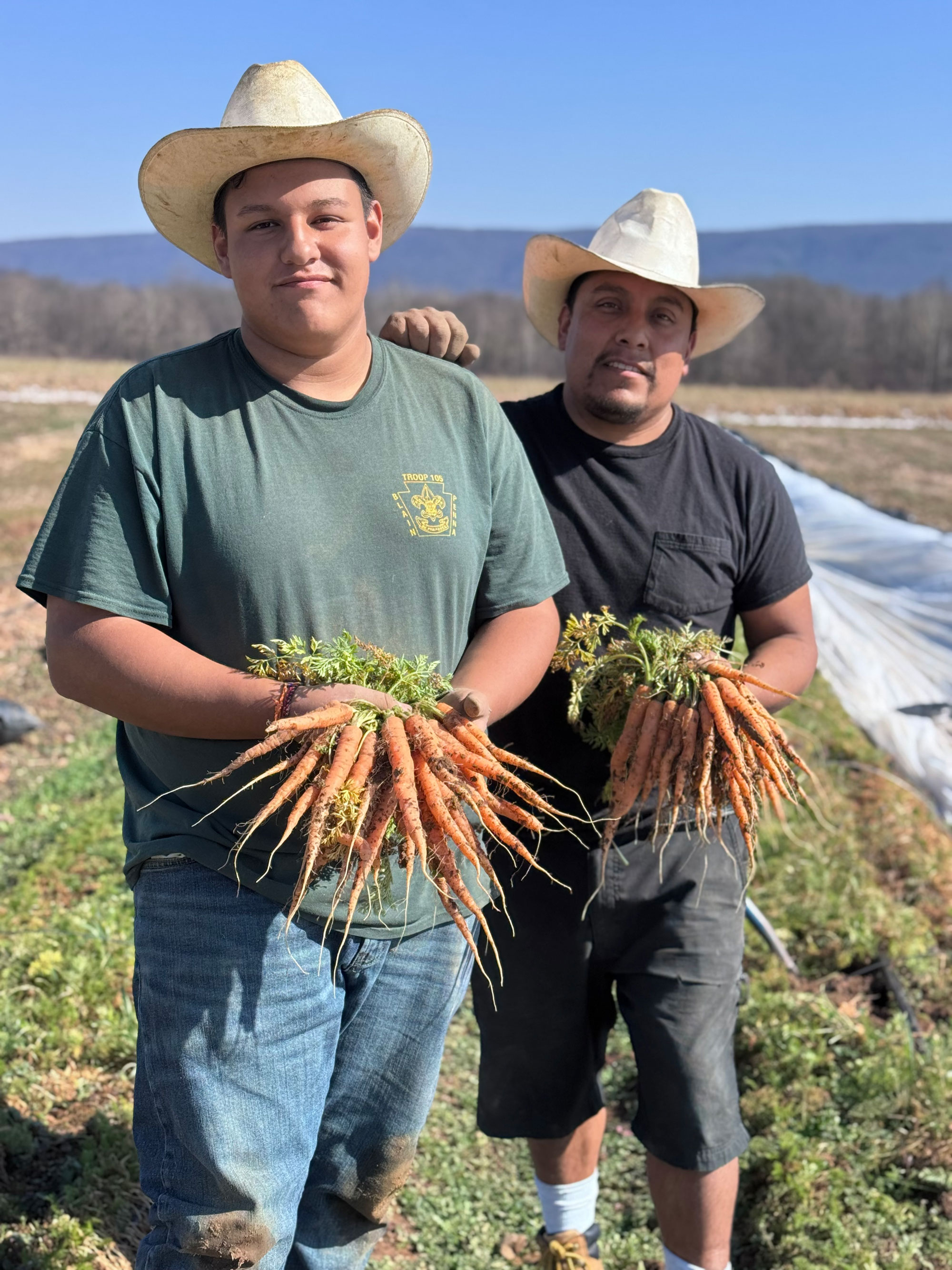
As a teenager in Perry County, Jarrah Salazar Cernas had a job on a local organic farm – work she took for granted until, as a nurse-in-training, she realized how much she missed the sun on her face and her hands in the soil.
At a clinical rotation in a nursing home, “I was just looking out the window, like, ‘What am I doing?’” recalled Salazar Cernas, now 43, who had an epiphany: “I want to help people, but not this way.”
Back at the farm, Salazar Cernas met her husband, Agustin, now 38, a lifelong farmer who is originally from “the equivalent of Perry County in Mexico,” she said with a laugh. In 2009, the couple bought nine greenhouses from retiring farmers and started raising chickens.
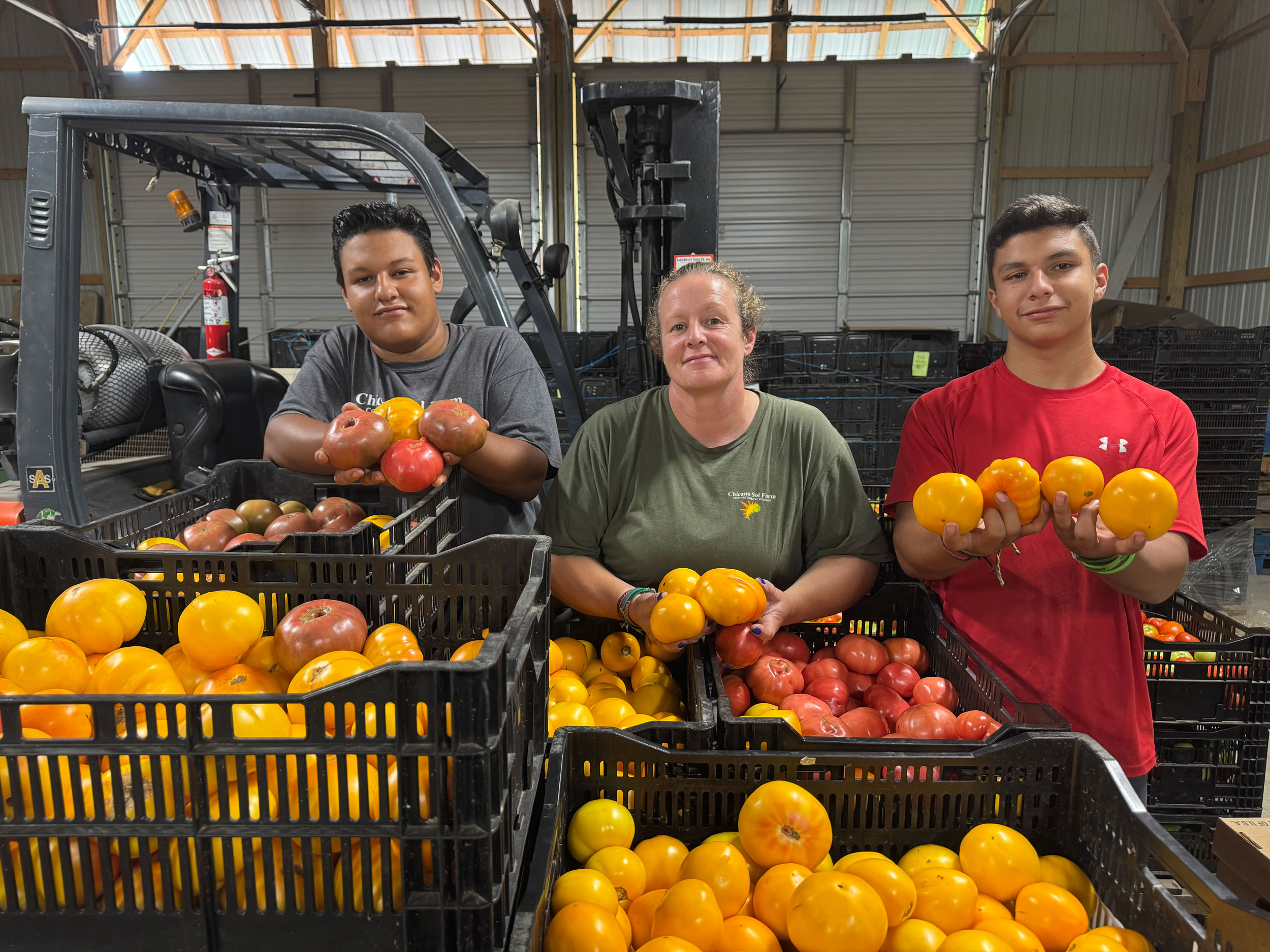
Today – alongside their teenage sons and Agustin’s Mexican nephews, employed on work visas – the Salazar Cernases run Chicano Sol, a 20-acre certified organic operation known for its salad greens, which they sell at the bustling weekend farmers’ markets in and around Washington, D.C. (“Organic hasn’t really caught on in our area quite yet,” Jarrah explained).
She spoke to City & State on a cold, rainy week in early March – the kind of weather, she observed, that tests a farmer’s passion and resolve. But she’s never looked back: “It’s just a more fulfilling life – a very, very fulfilling job,” affirmed Salazar Cernas. “And I love that we were able to raise our kids beside us, on a farm. Not only do they have a work ethic, but they also know what it takes to produce food.”
Younger, more diverse and less resourced than previous generations of Pennsylvania farmers, the Salazar Cernases represent what is increasingly the new face of agriculture in the commonwealth, which has the nation’s highest percentage of farmers under 35.
Compared to previous generations, younger farmers are less likely to be white and male or to have inherited a multigenerational business. They are more likely to live in or near urban areas, and to sell face-to-face at farmers’ markets rather than in large wholesale and commodities operations.
Since many are first-generation agriculture workers, without the resources and relationships of legacy farmers, they struggle to secure land and credit to grow their businesses. And with smaller operations, their approach is typically grassroots in every sense of the word, prioritizing sustainability and community impact.
“We all have this vision of an American farmer as an old white guy on a tractor with a straw hat,” observed Adrienne Nelson, a Pittsburgh-based bean farmer and an Appalachia regional organizer with the National Young Farmers Coalition, a nonprofit advocacy group. “But the upcoming generation is incredibly diverse … And the businesses that people build right now are so different from what a farm was 50 or 100 years ago.”
All told, this fresh new crop of entrepreneurs is reinvigorating an industry where the average farmer is close to 60 – but with record-high land prices, the barrier to entry is high for Pennsylvania’s startup farmers. Fortunately, the state’s deeply rooted agriculture sector is responding to meet the need, with robust policy and an array of new funding and programming aimed at bolstering startup farmers like the Salazar Cernases.
“This is all about investing in the people – and the earlier you can make that investment, the better,” state Secretary of Agriculture Russell Redding told City & State.
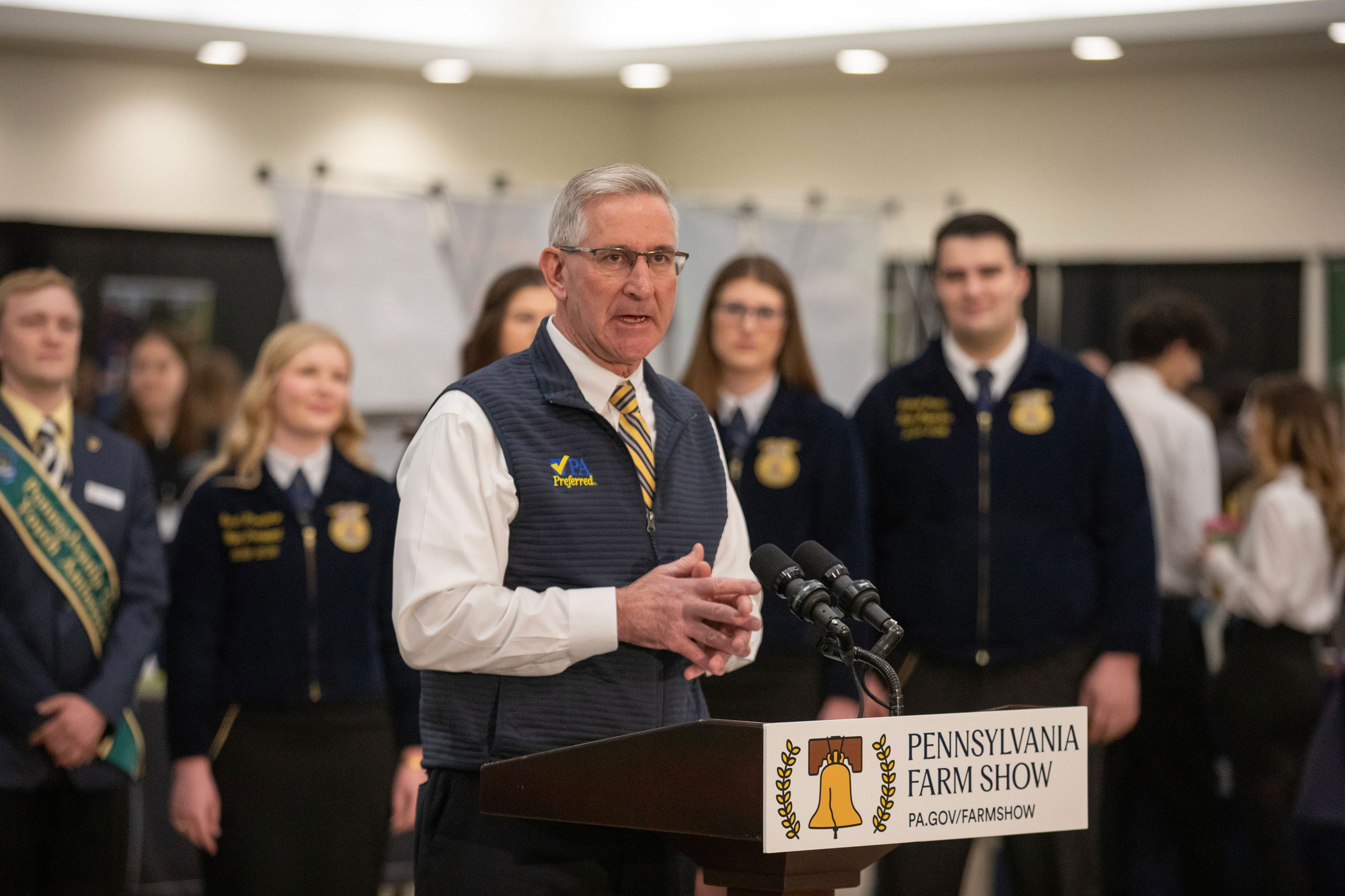
At the 110th annual Pennsylvania Farm Show in January, Redding announced $600,000 in new Pennsylvania Farm Bill grants aimed at cultivating young Pennsylvania farmers – including investments in youth agriculture programs, workforce development and education for aspiring farmers.
Indeed, the commonwealth is the only state to have its own Farm Bill in addition to the federal Farm Bill, targeting the particular needs of commonwealth producers. “The real distinction here is that the state … (aims) to be inclusive of all of the diversity that we have inside of agriculture, versus (favoring) a crop or commodity,” Redding explained. “We’re completely agnostic as to who has access to it.
“We want to make sure that we are supporting the farms that are here,” he added. “You’ve got to support your base …But we’ve got to inspire somebody else to do it, too – to be recruiting and thinking and cultivating.”
Old land, new blood
That’s because, amid a rapidly aging commonwealth, it’ll take a groundswell of youthful energy to maintain the vitality of an industry that contributes some $132.5 billion annually to the state's economy, supporting nearly 600,000 jobs on 49,000 farms and ranking among the top states in production of dairy, poultry and mushrooms.
But many of those born into multigenerational farms aren’t interested in taking over – or in doing things the same way their grandparents did. In that category is Ian Brendle, 44, a seventh-generation Lancaster County farmer who grows and sources a variety of culinary products for restaurant clients – from heirloom produce to local meats and cheeses – at Green Meadow Farm outside Gap, Pennsylvania.
Like many farm heirs of his generation, Brendle was initially uninterested in going into the family business. But after deciding college wasn’t his thing, he came home to work – and saw agriculture in a new light. “I like the freedom. I don’t answer to a boss. I don’t feel like I’m a cog,” he explained. “I feel connected to the whole food system, that I’m a part of it.”
With its emphasis on local varietals and sustainability, Brendle’s operation would be virtually unrecognizable to his grandfather, whose lineup of livestock and livestock crops – poultry, beef, corn, wheat, alfalfa – typified old-school farming.
The animals were sold when his grandfather died, and Brendle’s father took the family legacy in a new direction, emphasizing culinary tastes rather than bulk commodities. “The only crop that we grow that my forefathers would have grown is corn,” reflected Brendle. Even there, his grandfather grew standard feed corn; he grows milling corn, ideal for polenta.
Community impact
The wholesale farm-to-table business Brendle now runs – based on volume sales to restaurants – is viable because he works land purchased by his forefathers, when real estate was far cheaper.
But if, like so many of his industry peers, he’d had to start with just a few acres, he acknowledges that he’d be “more retail-oriented,” favoring the direct-to-consumer sales that yield maximum value for a given product.
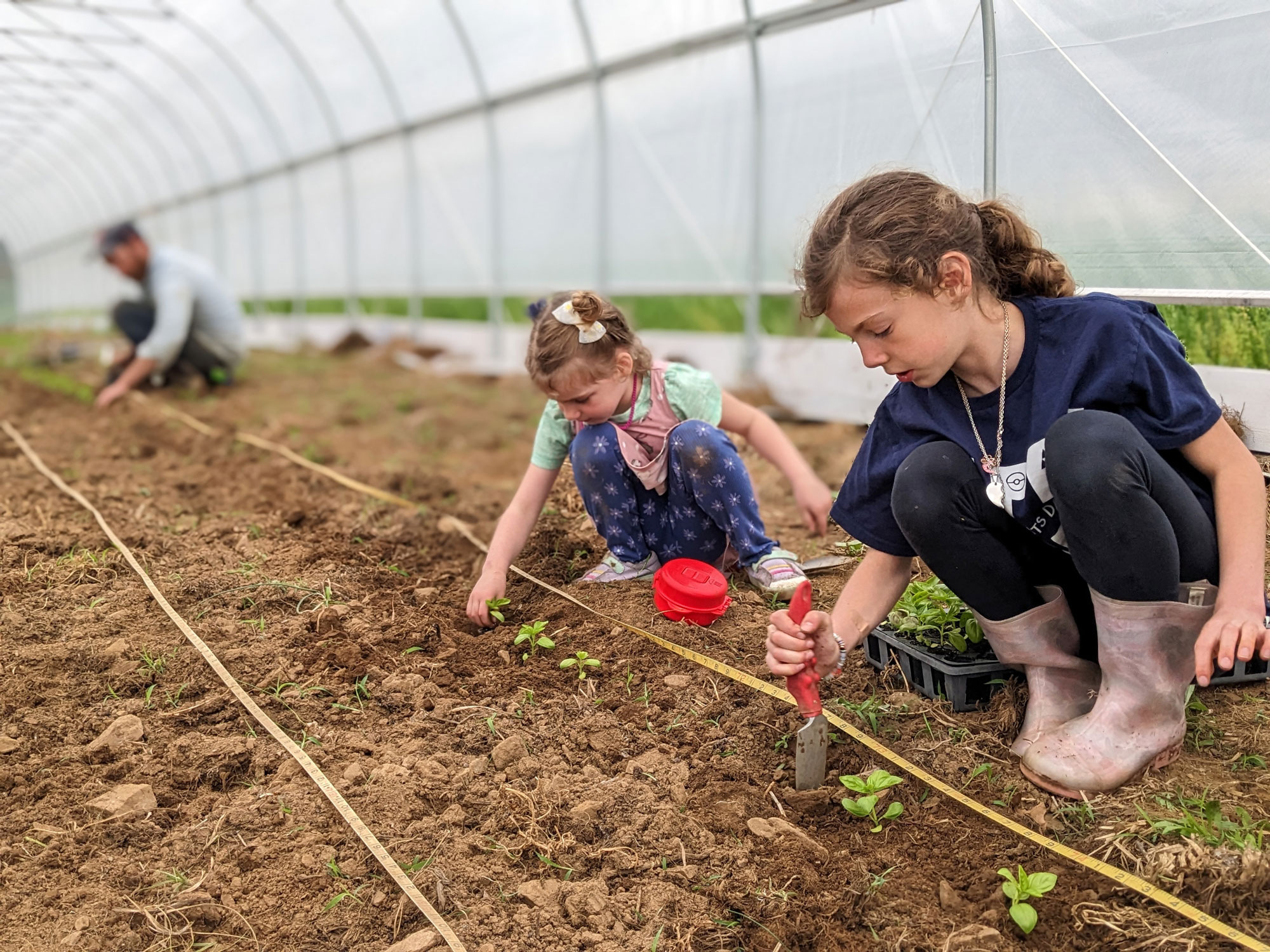
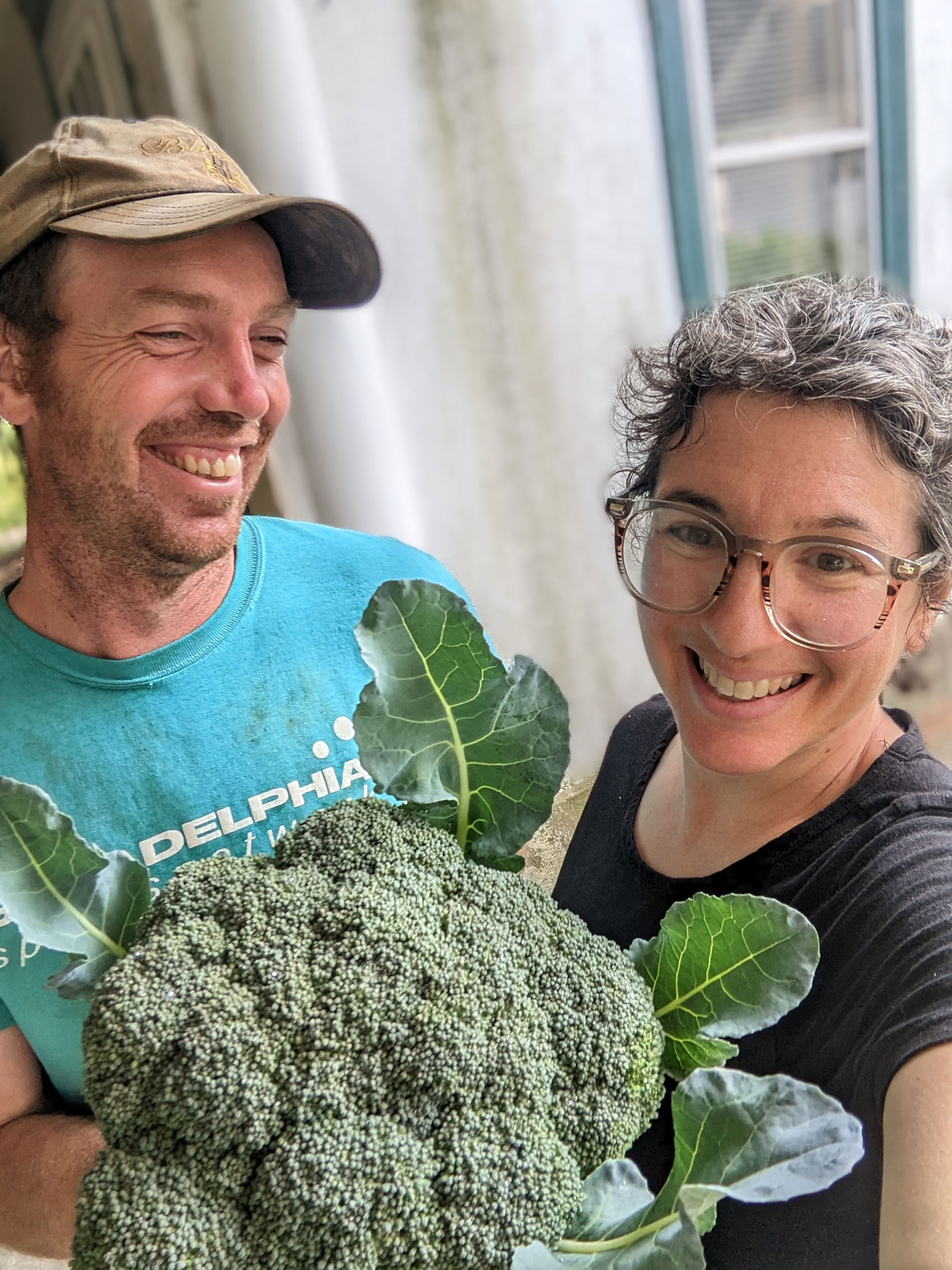
That model describes today’s typical first-generation farmer – someone like Lindsey Shapiro, who grows produce on five acres at Root Mass Farm in Berks County and sells almost entirely at farmers’ markets and through the farm’s CSA (community-supported agriculture, a local-produce subscription model).
The new emphasis on grassroots retail “is a really important shift in marketing opportunities for smaller and midsized producers and first-generation farmers,” said Shapiro, who sells at two Philadelphia markets where clients often pay with federal nutrition benefits like the Supplemental Nutrition Assistance Program.
“It’s a question of what people have more of – time or land,” she added of the equation parsed by startup farmers. “For first-generation producers… there’s definitely appeal to the low-capital requirements of getting started in vegetables. But if you’re in an area where land is cheaper, then there's the lower time requirements of getting started in a pastured livestock system.”
Shapiro’s fluency in agriculture is entirely self-taught: She grew up in the Boston suburbs, eating “a lot of microwave dinners,” she said, and studied sociology at Vassar College. After graduation, she moved to Philadelphia and took a job harvesting and selling produce for a farm, where she met her now-husband, Landon Jefferies. “I was really taken with how tangible the work was – how useful and productive,” she recalled.
So a few years later, when the Great Recession soured their job prospects, the couple decided to “go out on a limb” and try full-time farming. By 2011, they had launched Root Mass, where they live with their two young daughters; Shapiro is also an intake coordinator and former federal policy organizer for Pasa Sustainable Agriculture, a nonprofit for farmer-driven education, research and advocacy.
The family is making it work – but the margins for startup farmers are slim enough to dissuade all but the passionate. Shapiro said Root Mass grossed $145,000 in 2025, of which about $40,000 went toward expenses.
Still, the recent proliferation – and democratization – of the once-rarified farmers’ market scene has unquestionably opened up new avenues of opportunity for small-scale farmers.
“We always wanted to do farmers’ markets, because we wanted to have that connection with our customers … knowing who is getting our food,” said Jarrah Salazar Cernas. “In the market group that we’re in, when I started, I think they ran like 11 markets in the D.C. area. Now that same market is running like 30.”
Sustainability and profitability
Sustainability – environmental, financial, community – is a foundational ethos for Shapiro and her younger peers. Some of their businesses are certified organic; others, like Brendle’s, forgo the formal designation, but practice minimal-intervention agriculture with close-to-zero waste.
“So often, first-generation farmers … want to get into this business because they see it as a way to positively shape our environment,” said Shapiro, who is advocating for greater federal investment in conservation.
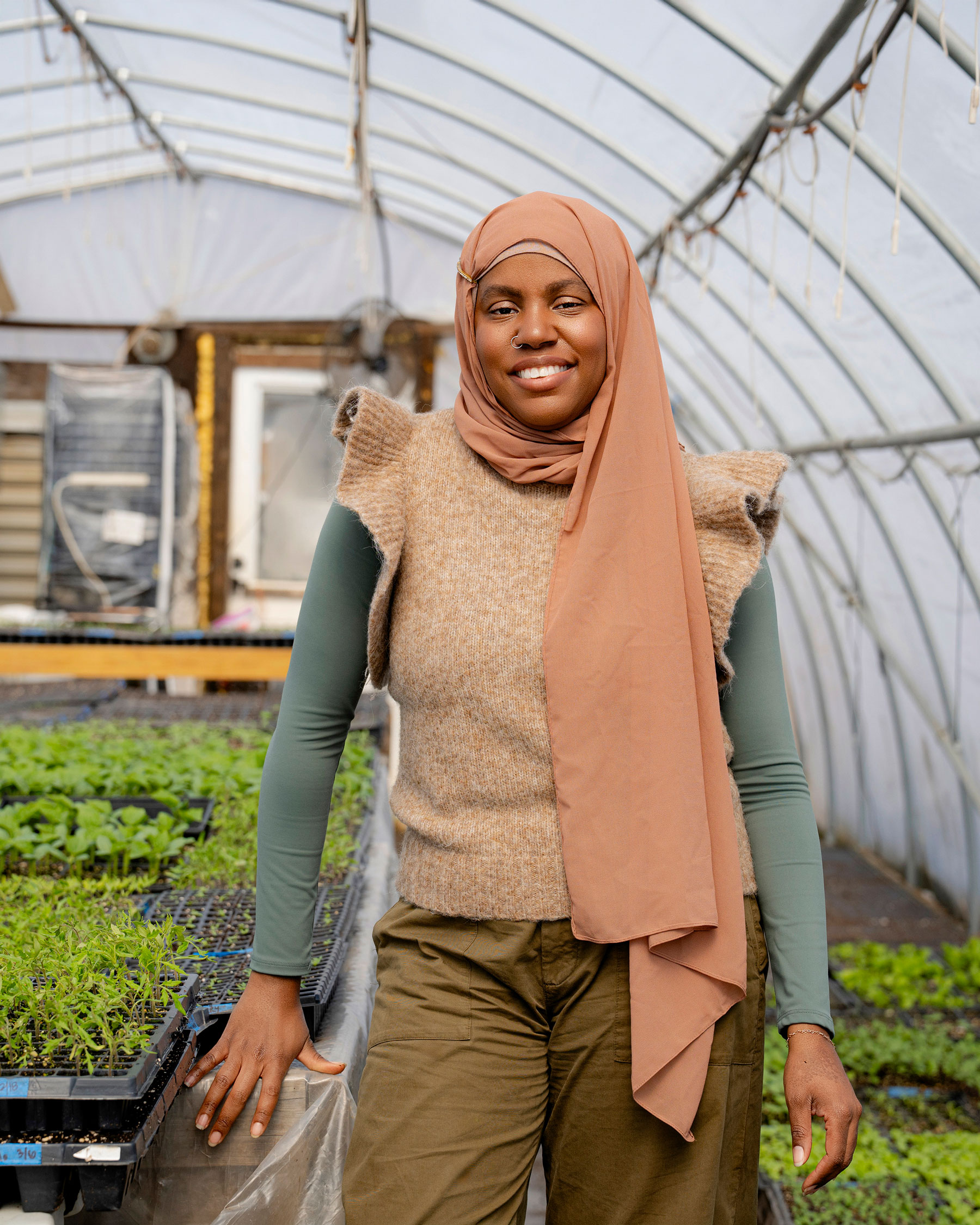
Embodying the movement is Christa Barfield, 38, who runs the nation’s largest Black woman-owned regenerative organic vegetable farm, FarmerJawn, on 128 acres in Southeastern Pennsylvania.
In Barfield’s vision, sustainable farms nourish both their workers and the communities they serve: filling critical gaps in urban nutrition access, promoting public and environmental health, and – not least – providing farmers with living wages.
Too often, she noted, young farmers “are so interested in working the land that they forget that they have to make the math make sense,” she noted. “The word sustainability became so buzzy that people actually forgot that in order to truly be sustainable, you have to be profitable. Sustainability and profitability go hand in hand.”
Drawing on her background in healthcare administration, Barfield models a new way to farm today – a dynamic enterprise driven by a responsiveness to what local communities want and need. It’s a far cry from what she describes as the outdated and unprofitable business model still prevalent at many farms: growing traditional commodity crops, and scraping by on federal subsidies.
“I want to move forward … not reacting to the system, but building a new one,” said Barfield, the vice president of the Pennsylvania Farmers Union. “If we don’t localize our food system and we don’t support our farmers, our public health crisis is going to continue to get worse.”
Her transition into agriculture was spurred by a 2018 vacation in Martinique, where she was inspired by how locals interacted with the natural environment. Back in her native Philadelphia, she realized how many urban neighborhoods lacked fresh fruits and vegetables.
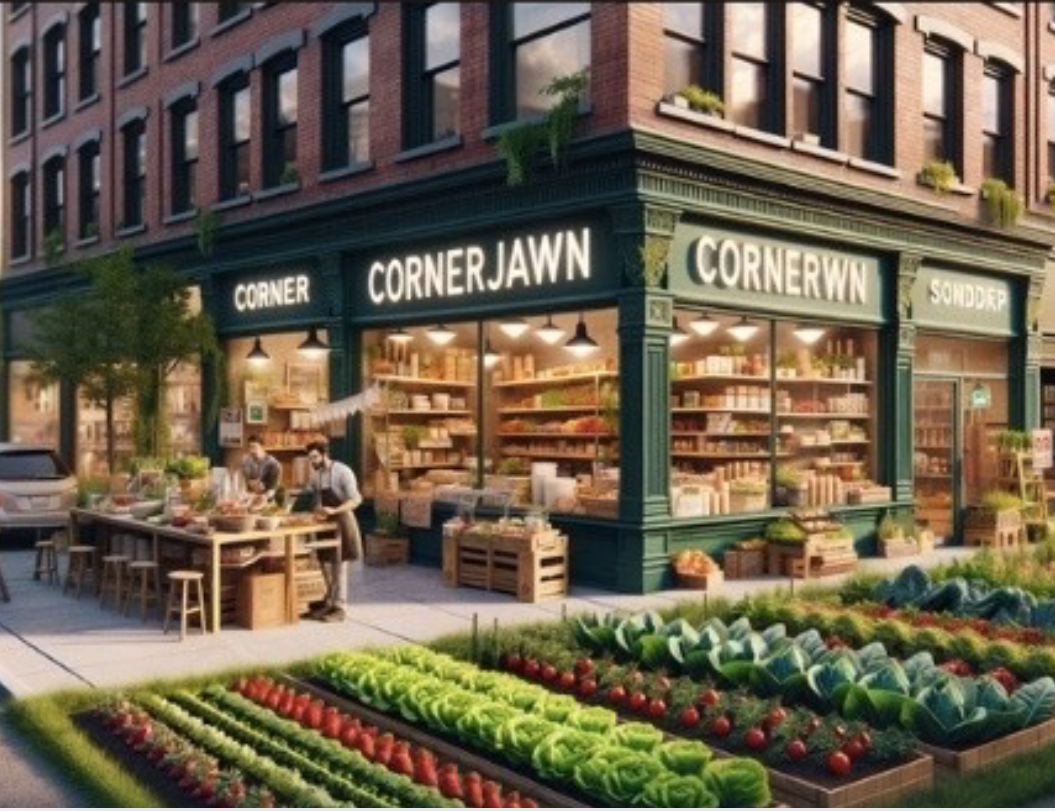
Barfield’s new CornerJawn storefront model, which she’ll début this summer in Philadelphia, addresses that need with what she describes as “a food-as-medicine concept corner store.”
Through both her farm and her activism – Barfield sits on various state committees and is an organic ambassador for the Rodale Institute, a sustainable agriculture nonprofit – she hopes to inspire other young farmers to embrace a grassroots approach that sustains land, people and the bottom line.
“The farmer that is wanting to grow food for people … fruits and vegetables, the farmer markets – people who love to connect with community and want to see direct impact tend to go that route,” Barfield said. “And that’s what this younger generation is doing a lot of.”
Cultivating roots
As a young Black woman with no family legacy in farming, Barfield found it difficult to break into the industry. “It was trial by fire,” she recalls of launching her venture in 2020 with 10 families subscribing to her CSA; she has since fed more than 30,000 people. “I just started renting some land and jumped into it.”
Over the past decade, numerous state and local programs have launched or expanded, aiming to ease not only the financial burden for startup farmers, but also the logistical challenges. After all, unlike legacy farmers, first-generation entrepreneurs have no relatives or longstanding peer groups to turn to for advice or resources, such as used equipment.
Land access is far and away the biggest challenge for young farmers, especially those starting their own businesses. Year after year, land is the top concern cited by respondents to the annual survey of Farm Bill priorities conducted by the National Young Farmers Coalition, according to Nelson.
And it is a pressing concern for the Salazar Cernases of Chicano Sol, who find themselves at a crossroads: Their 15-acre land lease, the bulk of their operation, is coming to an end. With stiff competition from commercial real estate investors and the area’s long-established Amish farming community, Jarrah Salazar Cernas worries about how they’ll continue the business.
“I don't have a grandpa or a father who is willing property over to us,” she said. And after nearly two decades in business, they no longer meet the criteria for beginning farmers’ programs.
Farmland is also a concern for policymakers and local stakeholders in agricultural communities, who worry that retiring farmers’ fields and pastures will be converted into data centers and McMansions. If farmers do not pass on their land to heirs or other farmers – and if novice farmers cannot afford to buy it – Pennsylvania’s agricultural sector will gradually decline, while communities lose precious natural resources.
“You either sell a farm off for houses or warehouses or whatever, or else you find some way to get it to the next generation,” explained state Sen. Elder Vogel, a fourth-generation Beaver County farmer who chairs the Senate Agriculture & Rural Affairs Committee.
He pointed to Pennsylvania’s Farm Link program as a model for addressing the issue. That nonprofit works closely with the state Department of Agriculture, connecting retiring farmers with their younger counterparts to transfer farmland seamlessly and without a tax burden – and preserving it for agriculture.
A few years ago, Vogel spearheaded the Beginning Farmer Tax Credit, a 2019 state law that provides tax credits to retiring farmers who sell or lease their lands to beginning farmers. “You give farmers a tax credit to work with the young farmer, to bring them on for two or three years and get them situated …You can still be hands-on, be a mentor. It’s a win-win for everybody, because that way, they get to keep the farm in farming, and a young person gets to start farming, and they get to use that knowledge … for 50 or 60 years.”
Supporting farmers is the rare issue with solid bipartisan support across the state legislature. Vogel praised his close collaboration with his House counterpart – state Rep. Eddie Day Pashinski, a Luzerne County Democrat who chairs the House Agriculture & Rural Affairs Committee – as well as Secretary Redding and the Shapiro administration.
“As the secretary says, everybody likes to eat three times a day, Democrat or Republican,” mused Vogel, referring to the end goal of agriculture: food. “So we’re all in this together. We all get along great, and we work great together.”
Conservation and continuity
For his part, Redding touts the Shapiro administration’s commitment to farmland preservation, an area where Pennsylvania is widely considered a national leader. The secretary praised programs like the state’s Farm Vitality Grant, which has thus far helped nearly 500 farms manage generational transition and expansion, one reimbursable $15,000 grant at a time.
Local municipalities are also part of the mix. Across Pittsburgh, for instance, vacant lots are being filled with tomato plants and sunflowers thanks to the Urban Redevelopment Authority of Pittsburgh, which makes distressed urban plots available to would-be farmers to revitalize through its Farm-a-Lot Program.
At the federal level, advocacy groups are calling for renewed support for subsidized healthcare and nutrition programs like SNAP, Medicaid and the Affordable Care Act, all of which suffered cuts in last year’s federal spending bill – and which many farmers rely on for access to healthcare, food during the fallow months and farm revenues.
After federal seniors’ nutrition vouchers were halved in value last year, Lindsey Shapiro said the reduction was evident in her smaller market receipts. And after the Trump administration eliminated funding that enabled state governments to buy locally produced food last year, Redding said the impact on small farms was felt throughout the commonwealth.
“One hundred and ninety-one farms had been, for two years prior, growing product and putting it directly into the primarily charitable food citizen pipeline,” he said. “And when that was canceled, you saw immediately what it looked like for 191 farms who lost a market.”
With its vastly smaller budget, the state can only do so much to compensate. But when it comes to support for fledgling farmers, the consensus is that Pennsylvania punches above its weight.
State Rep. Pashinski, who chairs the House Agriculture Committee, is especially proud of state Farm Bill provisions that help young farmers purchase equipment, get training, and access mental health services tailored to the particular stresses of modern farm life (farmers’ suicide rates, which have long been higher than the general population, have been rising).
“We need the young farmers. We want to continue our agriculture industry here in Pennsylvania. We’re very proud of it … I don’t want these commercial guys to come in and just take everything over,” Pashinski elaborated, referring to developers. “It takes away the personality that we have in Pennsylvania with your family farms. These people really care about their product.”
And, Shapiro said, they care about each other.
“There’s a sense that we’re all working towards building up this local food scene – and creating an awareness and an appreciation for locally produced food,” she reflected. “We recognize each other as peers and collaborators and partners in this effort, sharing resources and knowledge – it’s very much a community.”