

sponsor content What's this?
Sponsored Content
Q&A with Chad Dion Lassiter
Executive director of the Pennsylvania Human Relations Commission
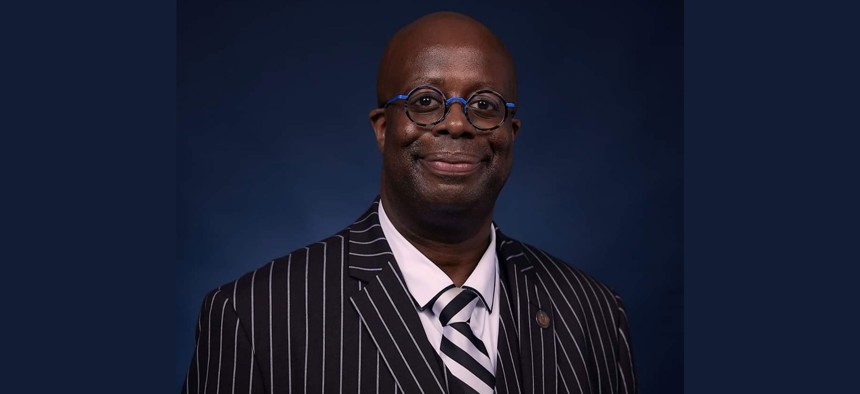
Chad Dion Lassiter Commonwealth Media Services

Presented by:

What did you learn from PHRC’s Beloved Community initiative, which toured all 67 counties, and how is that on-the-ground experience shaping your 2026 priorities?
PHRC’s Beloved Community Tour was an idea I conceived that ultimately became a transformative experience, reinforcing our commitment to fostering a sense of belonging and shared humanity across Pennsylvania. By visiting all 67 counties, we gained invaluable insights into the unique challenges and aspirations of communities throughout the Commonwealth. Each presentation we held provided an opportunity to engage in meaningful conversations, allowing residents to voice their hopes for liberty, justice, equity, and protection from harm, among other things. This direct engagement emphasized that, despite our diverse backgrounds, many Pennsylvanians share common goals and values. In 2026, we are focusing on enhancing our outreach programs to ensure that all communities, particularly marginalized groups, are informed about their rights and the resources available to them. The emphasis will be on raising awareness of issues such as housing, disability, and employment discrimination, as well as on social justice initiatives that foster the beauty of commonality. I am a better leader and human being because of these interactions. I listened, and I learned, and PHRC will continue to lead for all.
The passage of the CROWN Act marked a significant expansion of civil rights protections in Pennsylvania. How is PHRC approaching implementation and enforcement of the law, and what should policymakers, employers and residents understand about its real-world impact?
The implementation of the CROWN Act represents a significant step forward in combating discrimination based on hairstyles associated with racial and ethnic identities. PHRC has actively worked over the past four years on clear enforcement guidelines as we established CROWN Protections with guidance under the PHRA a few years ago, held a well-attended CROWN Conference and developed a Love Your Hair PA CROWN short video that can be viewed on YouTube. Additionally, we want everyone to know that we already have enhanced our outreach efforts to equip residents with knowledge about their rights under this new legislation. The goal will be to continue promoting an inclusive environment where individuals feel empowered to express their identities without fear of discrimination. Furthermore, we want key stakeholders to know that we are readily available to provide trainings for employers and educational institutions on compliance and best practices.
PHRC’s annual reports highlight both meaningful progress and persistent challenges in areas such as fair housing, employment discrimination, and public accommodations. How do you assess where Pennsylvania is making real strides — and where more focused attention is still needed?
PHRC is making meaningful progress in addressing critical issues related to housing, employment, and social justice. We are actively pursuing fair housing initiatives, resulting in increased awareness and reporting of discrimination cases. In the realm of employment, we are working with various stakeholders to ensure that workplaces are free from discriminatory practices, paving the way for equitable hiring and advancement opportunities. Our recent annual reports highlight both progress and challenges.
As the Commonwealth enters 2026, what are PHRC’s top strategic priorities for the coming year, and how do education, dialogue, and community partnerships factor into your vision for strengthening civil rights protections statewide?
Looking ahead to 2026, our strategic priorities include strengthening enforcement mechanisms, expanding educational outreach programs, and fostering community partnerships. Education, dialogue, and collaboration are central to our vision for enhancing civil rights protections statewide. . Social justice initiatives have been strengthened through collaborations with local organizations to advocate for policy changes that address systemic inequalities. We have a second Fair Housing White Paper that is ready for distribution. In addition to this, we will be releasing a 67-County Beloved Community Tour Report and our fifth No Hate In Our State Report. We have established civil rights and human rights clubs in a few schools in our Commonwealth and we will be launching a “Know Your Rights Clinic” that will benefit all.
A recurring theme in your work has been the importance of dialogue — particularly in communities where conversations about civil rights and equity can be difficult. What role does PHRC play in helping Pennsylvanians see their shared values?
PHRC has been around for 70 years. Institutions like PHRC play a vital role in creating dialogue spaces to help Pennsylvanians recognize shared values and work towards common goals, even amidst differing viewpoints. In summary, PHRC’s dedication to mutual understanding and justice continues to evolve. Through community engagement, legislative action, and ongoing advocacy, we aim to ensure that every Pennsylvanian can thrive with dignity, respect, and equality. Our work is about creating a more equitable future, where everyone, regardless of their background, feels valued and protected. Moving forward, we remain committed to listening to the voices of our communities and translating their needs into actionable strategies that enhance civil rights protections across the state. Dialogue is essential, so is hope. Hope, though, must be intertwined with policy, and so we are thankful to every Republican, Democratic and Governor that have supported PHRC over these 70 years, and to those who we have yet to gain their trust, we are like America, we are an unfinished product evolving and striving for those better angles.