
sponsor content What's this?
Sponsored Content
Q&A with Asim Haque
Executive Vice President, Governmental & Member Services of PJM Interconnection
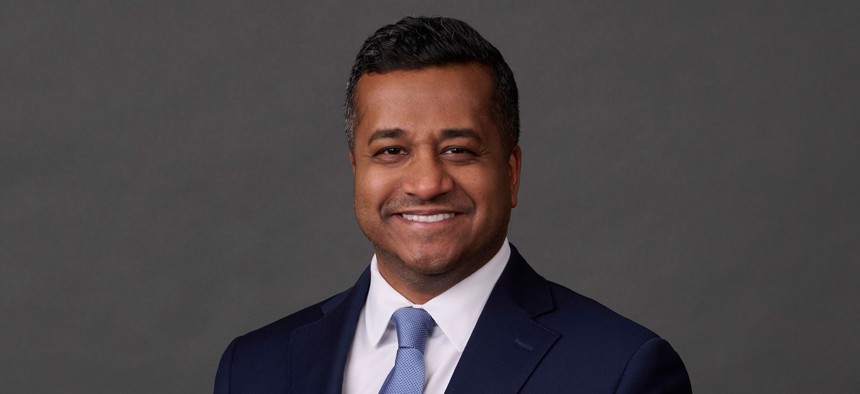
Asim Haque PJM Interconnection


Q: Congratulations on being recognized as one of City & State Pennsylvania’s 40 in Their 40s. What does this recognition mean to you?
I’m honored by the recognition, but I really see it as a reflection of the people I’ve had the opportunity to work alongside throughout my career. The energy industry is going through a pivotal moment, and I’m fortunate to work with incredibly talented colleagues at PJM and across the region who are committed to keeping the lights on while preparing for the future. That’s meaningful work, and it’s a privilege to be part of it.
Q: We’re hearing more about the electric grid than ever before. Why has it become such an important public issue?
Electricity powers virtually every aspect of modern life, and demand is growing at a pace we haven’t experienced in decades. The conversation has shifted from simply having enough electricity today to making sure we can reliably meet tomorrow’s needs as technologies like AI drive significant new demand.
Reliability has always mattered. What’s changed is how central it has become to economic growth and national competitiveness.
Q: What role does PJM play in meeting that challenge?
PJM’s responsibility is to operate one of the largest electric grids in the world safely and reliably while administering competitive wholesale electricity markets across 13 states and the District of Columbia.
That means planning years ahead, coordinating thousands of market participants, integrating new resources, and ensuring the system remains reliable under changing conditions. It’s incredibly complex work, but our focus is straightforward in keeping electricity flowing reliably for the 67 million people who depend on us.
Q: The energy industry has faced increasing scrutiny recently. How do you approach those conversations?
Transparency is essential.
People deserve clear explanations about what’s changing, why it’s changing, and what we’re doing to address it. These aren’t simple issues with simple solutions, but we owe stakeholders honest conversations about the challenges and the progress being made.
At PJM, we’ve been focused on accelerating reforms, improving processes, and working collaboratively with states, regulators, and stakeholders because no single organization can solve these issues alone.
Q: Pennsylvania sits at the center of the PJM footprint. Why is that significant?
Pennsylvania has long been an energy leader, and that role is becoming even more important.
The Commonwealth has diverse energy resources, a strong industrial base, and a strategic location within the regional grid. As demand grows, Pennsylvania has an opportunity to continue leading by supporting policies that encourage investment while maintaining reliability and affordability.
Q: What qualities do you believe define effective leadership during periods of change?
That’s an easy one. Listening.
The energy industry brings together people with very different perspectives and priorities. Good leadership means understanding those perspectives, finding common ground where possible, and staying focused on long-term outcomes rather than short-term headlines.
Some of the best solutions come from bringing diverse stakeholders together around shared objectives.
Q: What advice would you give to emerging leaders interested in energy policy?
Stay curious.
Energy touches economics, technology, public policy, national security, and environmental issues all at once. The more you understand how those pieces fit together, the better equipped you’ll be to contribute meaningful solutions.
Most importantly, remember that behind every policy discussion are millions of people who rely on reliable electricity every day.
Q: Looking ahead, what excites you most?
We’re living through one of the most transformative periods in the history of the electric grid.
Meeting rapidly growing demand while maintaining reliability will require innovation, collaboration, and thoughtful policy. That’s a challenge, but it’s also an incredible opportunity to help shape the future of energy for generations to come.