

Politics
Passing school safety measures: a matter of life and death
An op-ed from the president of the Pennsylvania Association of School Resource Officers urges state legislators to pass comprehensive school safety legislation before the end of session – and before tragedy strikes again.
Steve Pfost/Newsday RM via Getty Images

I have spent more than two decades in law enforcement and school safety. I started as a police officer, then served as a school resource officer, and now I oversee school safety efforts across Montgomery County. I also serve as president of the Pennsylvania Association of School Resource Officers.
That perspective gives me a front row seat to what is working, what is not, and where we are falling short. And right now, we are falling short.
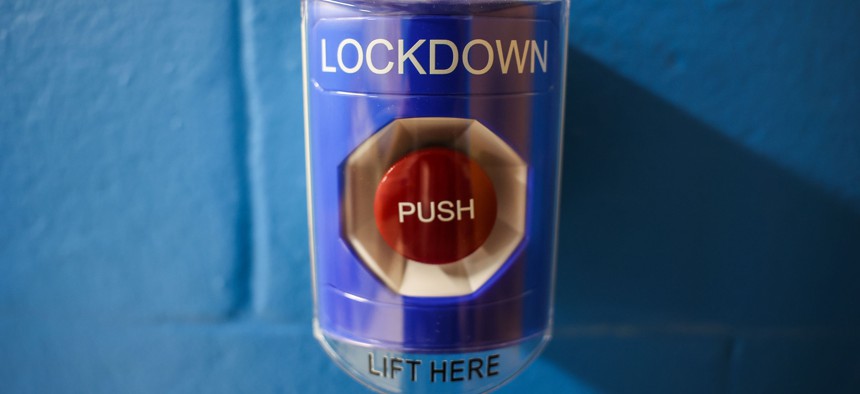
Across the country, 10 states have passed Alyssa’s Law, legislation named after a 14-year-old girl killed in the 2018 Parkland school shooting. Pennsylvania is not one of the states that have enacted the law requiring schools to have silent panic alarms that connect directly to law enforcement. That is not because of a lack of effort. Over the past several years, bipartisan legislation has been introduced in both chambers. It has been supported by school boards, chiefs of police, educators, and organizations like PASRO. There is agreement on the need, but agreement without action does not protect anyone. We need to move this forward and get it right.
Not all versions of Alyssa’s Law are created equal. Some states have passed laws that check the box but fall short in practice. Others have built systems that truly support first responders and school staff in real time.
Utah is a strong example. Their model includes wearable panic buttons, multisensory alerts, and detailed school safety mapping. That combination matters.
I have responded to school emergencies. I can tell you what first responders need in those moments. They need immediate, accurate information: Where is the incident? What are they walking into? Who else knows what is happening?
School safety mapping answers those questions. Wearable panic buttons allow a teacher to call for help instantly, without leaving students or escalating a situation. Multisensory alerts make sure everyone in the building receives clear, consistent information at the same time. Seconds matter in these situations – and these systems buy us those seconds.
We have already seen the impact. At Apalachee High School in Georgia, advanced safety infrastructure helped law enforcement respond quickly during a school shooting and prevented additional loss of life. In Florida, panic buttons and mapping technology helped save two students experiencing cardiac arrest by reducing response times.
This is not just about worst-case scenarios; it is also about everyday safety.
In Normandy Schools in Missouri, schools using these systems saw an 81% reduction in out-of-school suspensions. When staff can call for help early and discreetly, situations are de-escalated before they spiral.
We have seen this kind of transformation before. After a devastating school fire in Chicago in the 1950s, fire safety standards changed across the country. Fire drills became routine, fire codes improved, and lives were saved.
We did not debate whether that investment was worth it; we acted. School safety deserves that same level of commitment. The threats facing our schools today are different, and our response has to evolve with them.
Pennsylvania legislators have an opportunity this session to pass meaningful, comprehensive school safety legislation. That means clear requirements for wearable panic buttons, multisensory alerts and school safety mapping.
A real, effective system that supports the people responsible for protecting our kids. It is time to get this right.
Dr. Beth J. Sanborn, a former school resource officer-turned-national trainer, is president of the Pennsylvania Association of School Resource Officers.
NEXT STORY: Energy choice works for Pennsylvanians – don’t let a new House bill take it away