

Personality
Forgotten founders: The little-known Pennsylvanians who were key to the nation’s founding
City & State spotlights the people who helped get the nascent nation off the ground.
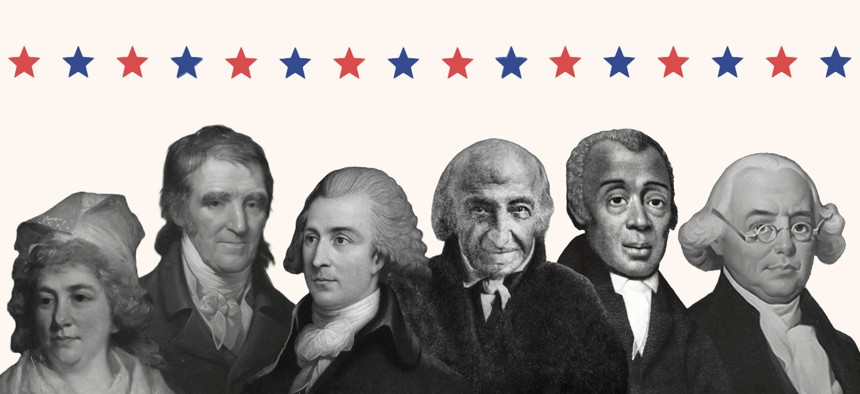
Sarah Franklin Bache, William Findley, Tench Coxe, Albert Gallatin, Richard Allen & James Wilson Pierce Archive LLC/Buyenlarge via Getty Images; United States Army Center for Military History; New York Public Library; Encyclopedia Brittanica; Kean Collection/Getty Images; United States Supreme Court

Revolutionary War figures from Pennsylvania have always held a prominent place in the commonwealth's consciousness; names like Franklin, Bainbridge, Biddle, Dickinson and Rittenhouse are celebrated to this day for their roles in securing the colonies’ right to become the United States of America. But there is a group of lesser-known Pennsylvania luminaries deserving of just as much acknowledgment: the people who helped get the nascent nation off the ground – keeping the coffers at strength, laying down the laws, feeding the people and more.
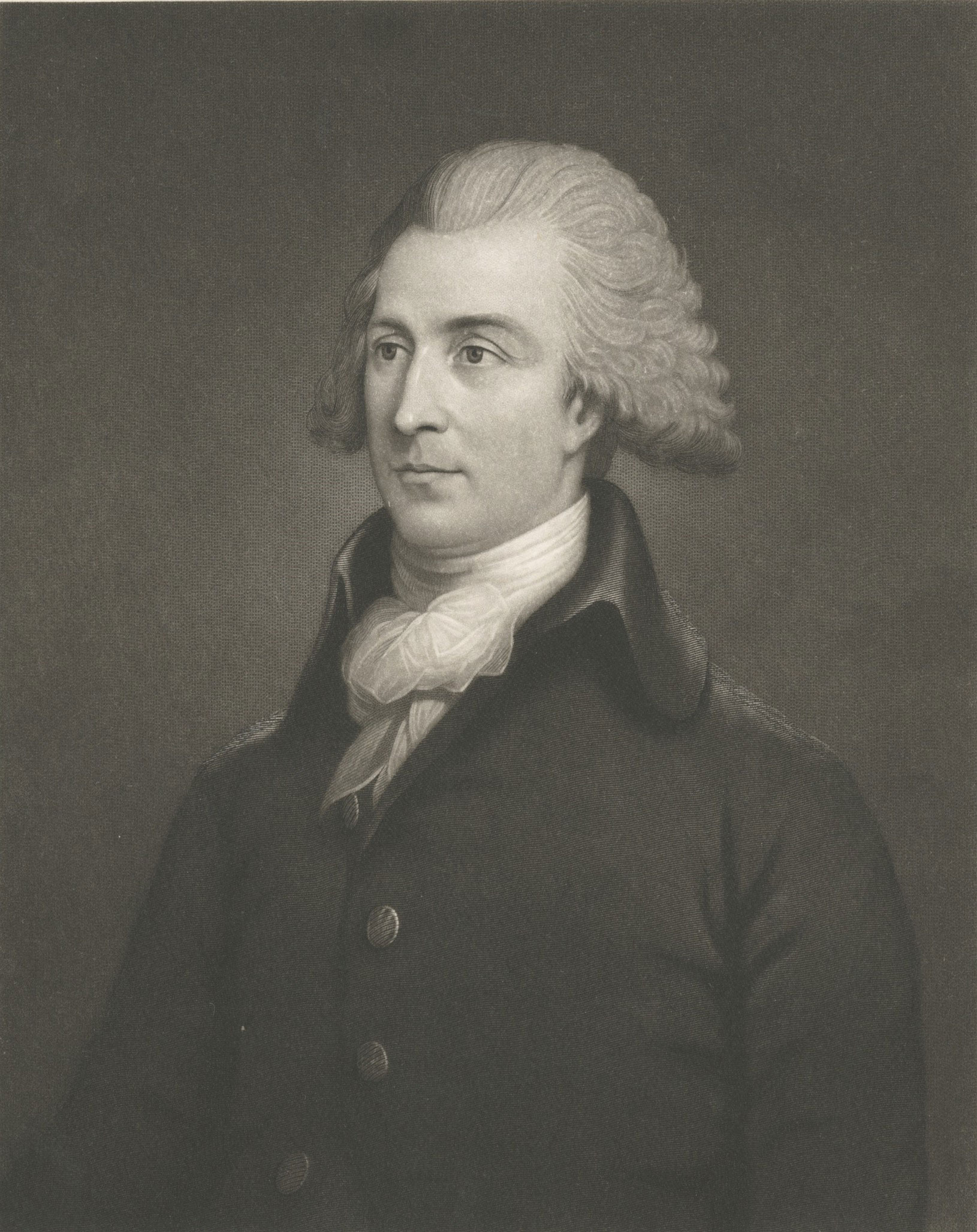
Tench Coxe
Tench Coxe served the early U.S. government under both Presidents George Washington and Thomas Jefferson, as assistant secretary of the treasury and purveyor of public supplies, respectively; he also worked closely with Alexander Hamilton to shape the nation’s industrial policy. Coxe, who wrote under the pseudonym “A Pennsylvanian,” was known to his political enemies as “Mr. Facing Bothways” for his political evolution, which saw him switch from the Federalist Party to the Jeffersonian Party in 1800.
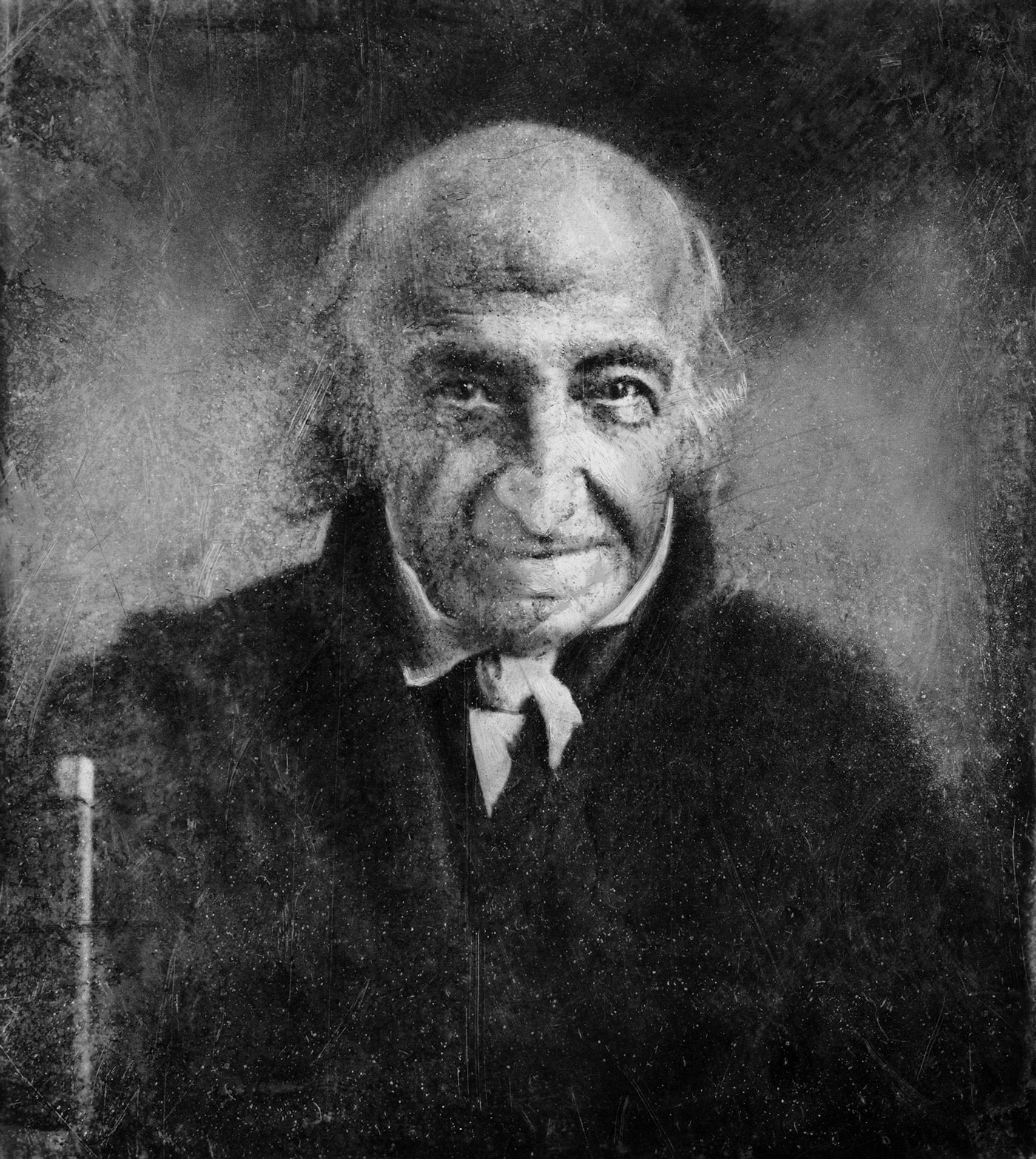
Albert Gallatin
Dubbed “America’s Swiss Founding Father,” Geneva-born Abraham Alfonse Albert Gallatin was a kind of Swiss Army Knife for the founding of the new republic, helping shape financial systems and foreign policy. He was President Jefferson’s treasury secretary and represented Pennsylvania in both the U.S. House and Senate after serving two years in the state House. His legacy includes a role in stabilizing federal finances, reducing national debt and helping fund the Louisiana Purchase.
Mathew Carey
An Irish-born Philadelphian, Mathew Carey was one of the most influential publishers of his time. He brought know-how from a Dublin bookselling and printing business to Philadelphia, where he settled in 1784. Carey’s publishing business went on to print the nation’s first atlases, as well as political essays and periodicals, promoting tariffs, infrastructure and economic nationalism in the early republic.
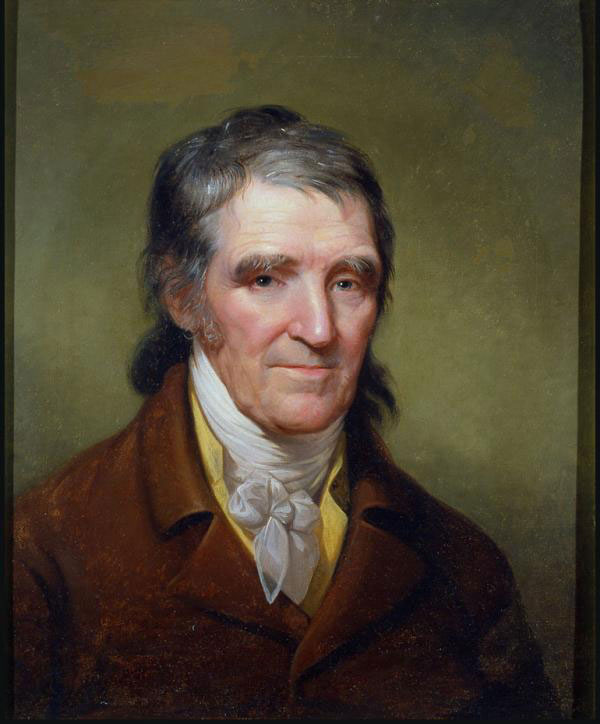
William Findley
Born in Ireland in the mid-1700s, William Findley would go on to serve in the Revolutionary War, as well as both chambers of the state legislature and the U.S. Congress. Findley opposed Congress’s Whiskey Excise tax, which was approved in 1791 and ultimately led to the Whiskey Rebellion, and worked alongside Albert Gallatin as a mediating force between rebels and the government.
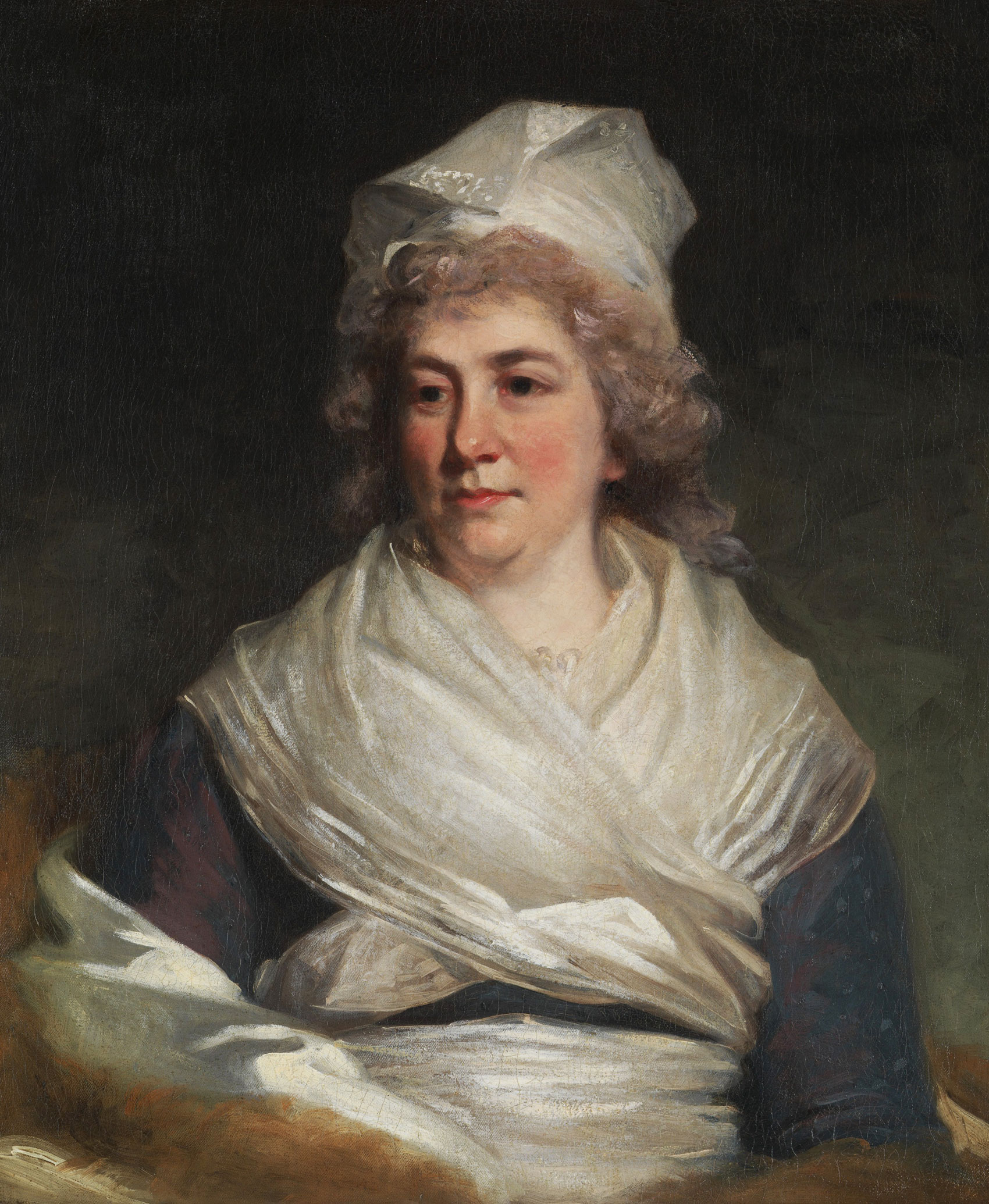
Sarah Franklin Bache
The American Revolution was a family affair for Sarah Franklin Bache. The only daughter of Benjamin Franklin and Deborah Read, Bache co-founded the Ladies Association of Pennsylvania – the first women’s voluntary association in America – during the Revolution. The group supported the Continental Army by raising 300,000 Continental dollars and sewing 2,000 shirts for soldiers.
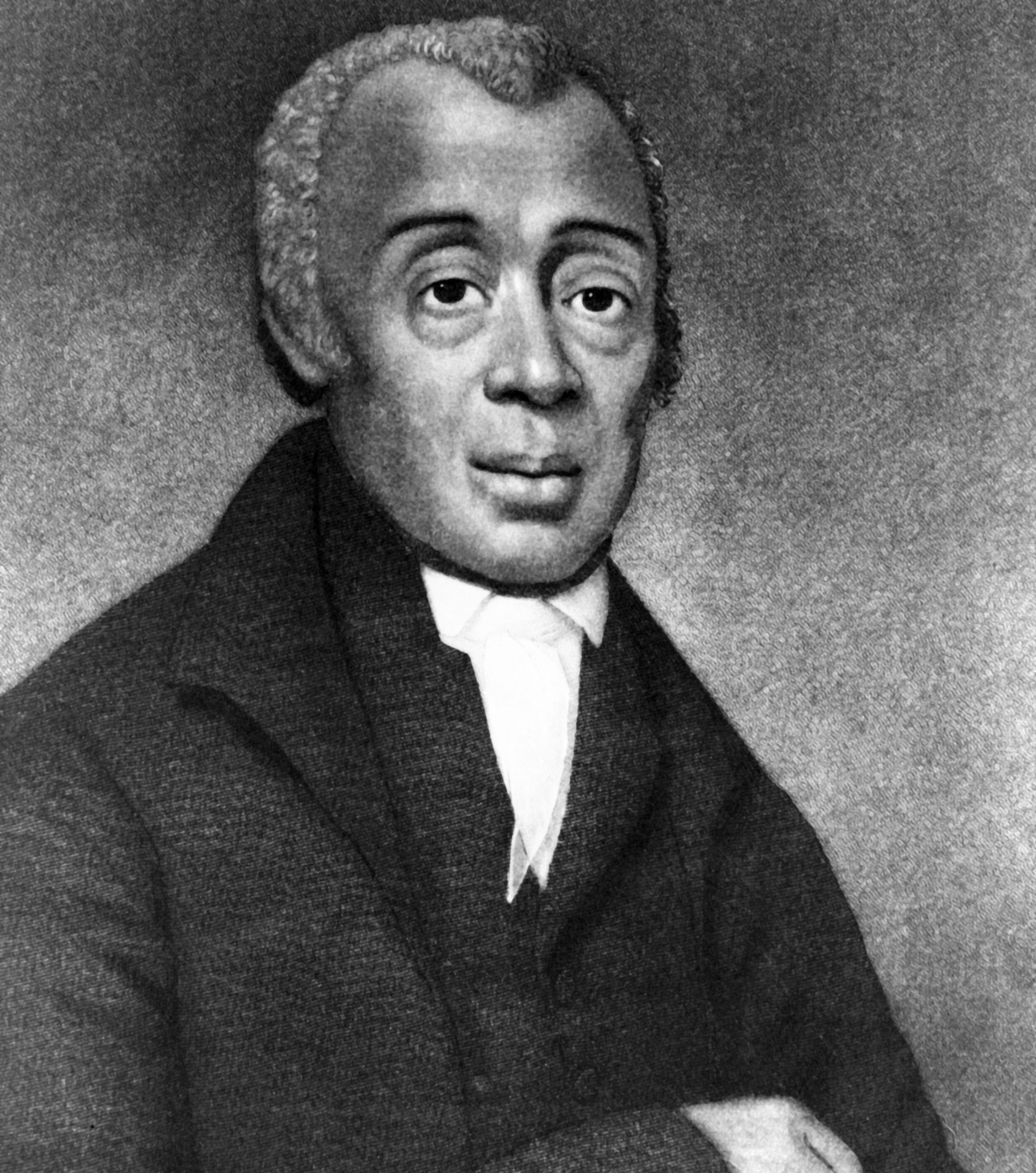
Richard Allen
Born enslaved and later freed, Richard Allen founded the African Methodist Episcopal Church in Philadelphia. He became one of the most important Black leaders in early America, promoting education, mutual aid and independent Black institutions. He was active in the abolition movement, operating an Underground Railroad station to help enslaved people escape their captors in the South.
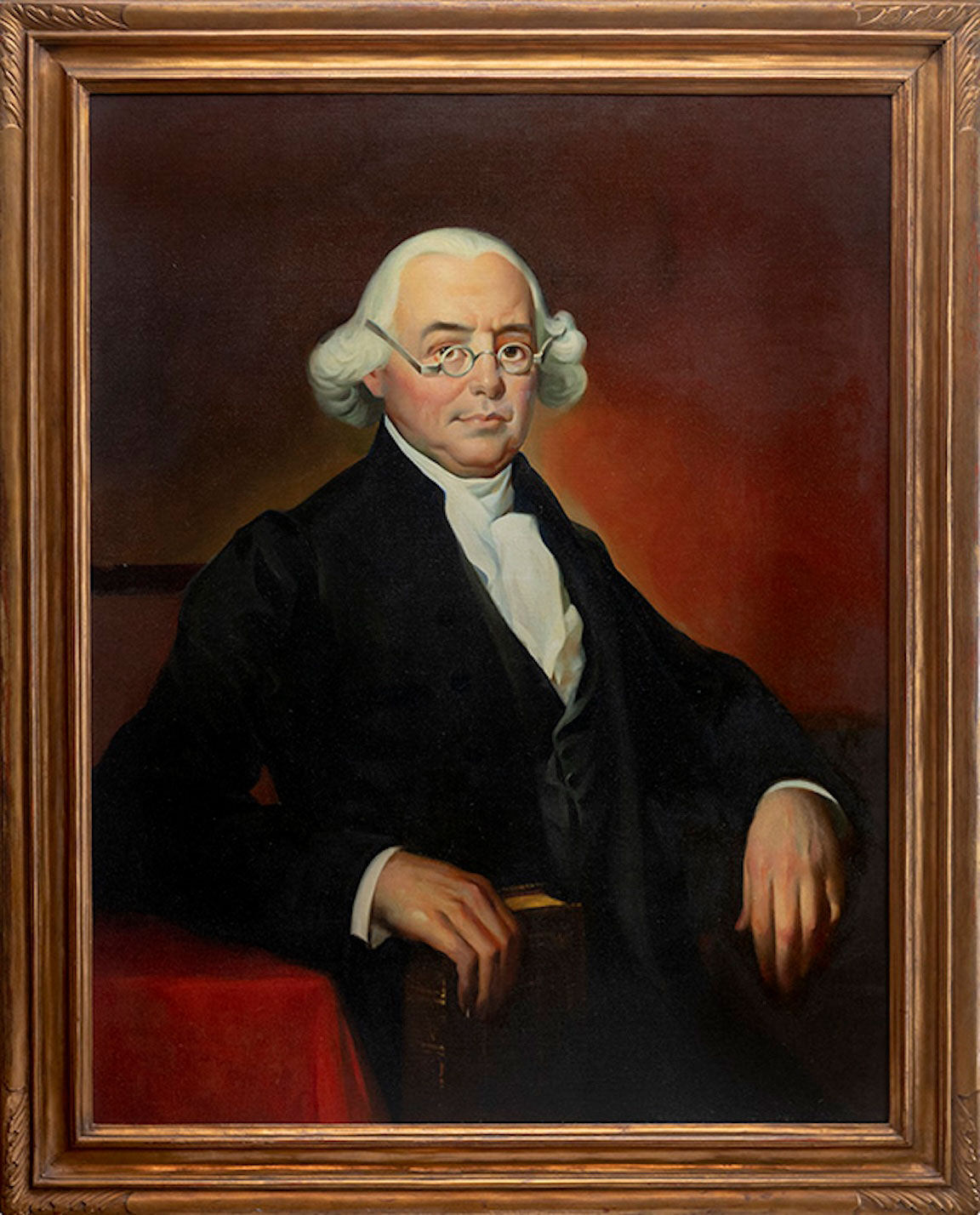
James Wilson
Scotland-born James Wilson, one of only six people to sign both the Declaration of Independence and the U.S. Constitution, also had a hand in some of the country’s foundational legal underpinnings – including the Three-Fifths Compromise, which resolved how to count a state’s slaves for representational purposes, and the creation of the Electoral College. An original associate justice of the U.S. Supreme Court, he later became its first member to die.
NEXT STORY: This week’s biggest Winners & Losers