

Satire/Odd News
Think the midterms are scary? Try these Pennsylvania haunted haunts
City & State takes a look at some of the Keystone State’s creepiest sites.
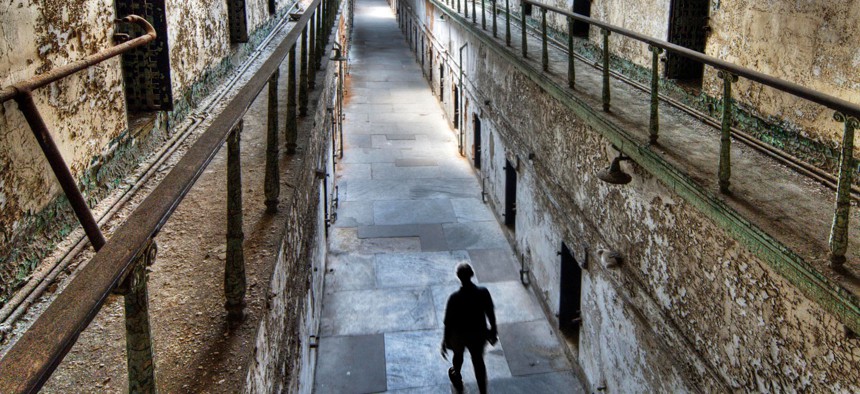
Eastern State Penitentiary JOHN VAN HORN

With hundreds of years of history and thousands of square miles of fields and forests, Pennsylvania is bound to have more than its share of ghosts. In the spirit of Halloween, City & State has compiled suggestions for exploring the commonwealth’s spooky side.
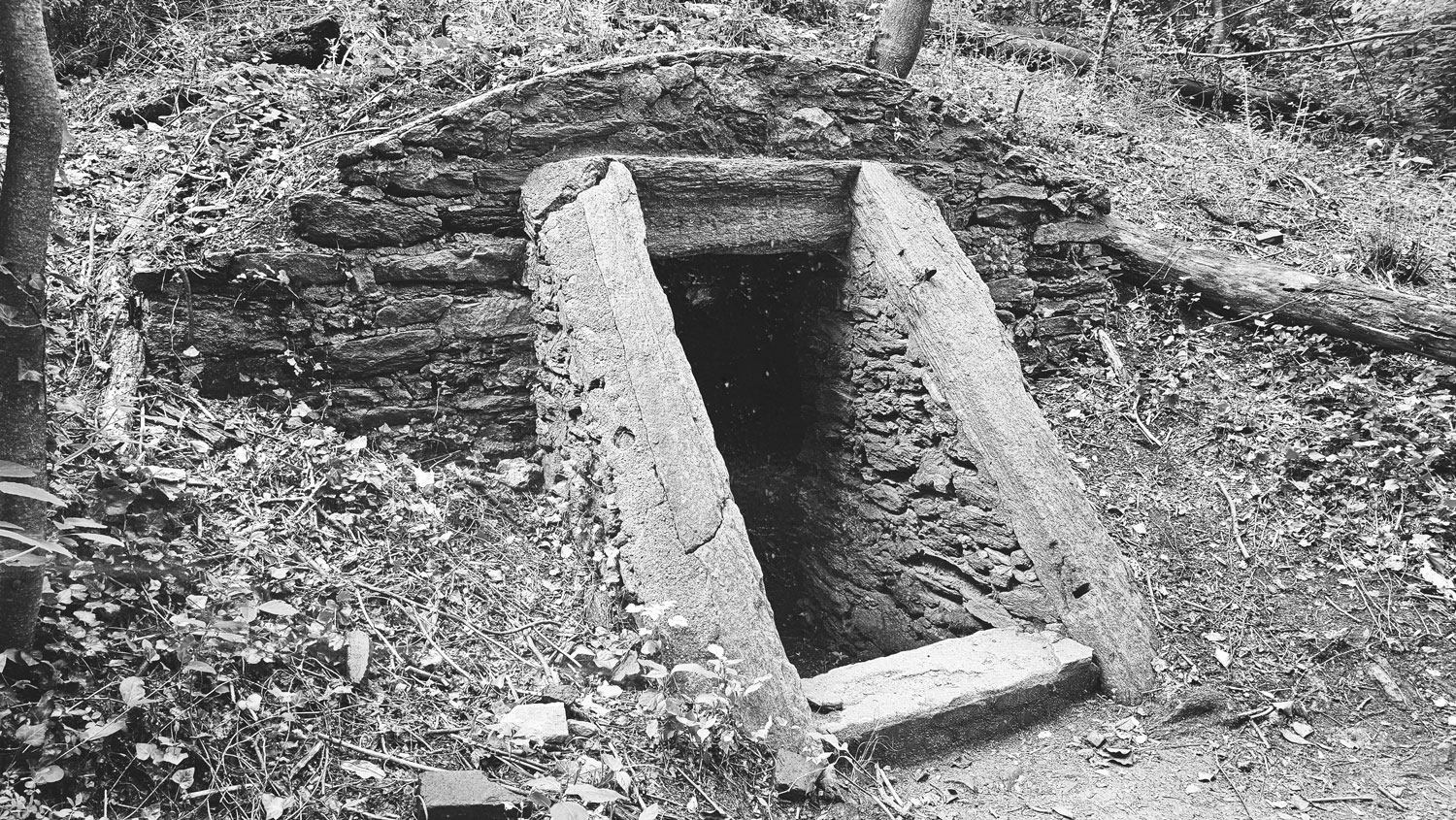
The Cave of Kelpius
Johannes Kelpius was a Transylvanian scholar, mystic and writer who led what is believed to be the first doomsday cult in the U.S. – right in modern day Philadelphia. In 1694, Kelpius and a devoted group of around 40 monks – known as the “The Society of the Woman of the Wilderness" – settled along the banks of the Wissahickon Creek to await the end of the world. Today, the area is just north of Philadelphia’s Fairmount Park, and a vestige of the cult remains: a cave with a stone frame built into the side of a hill known as the “Cave of Kelpius.”
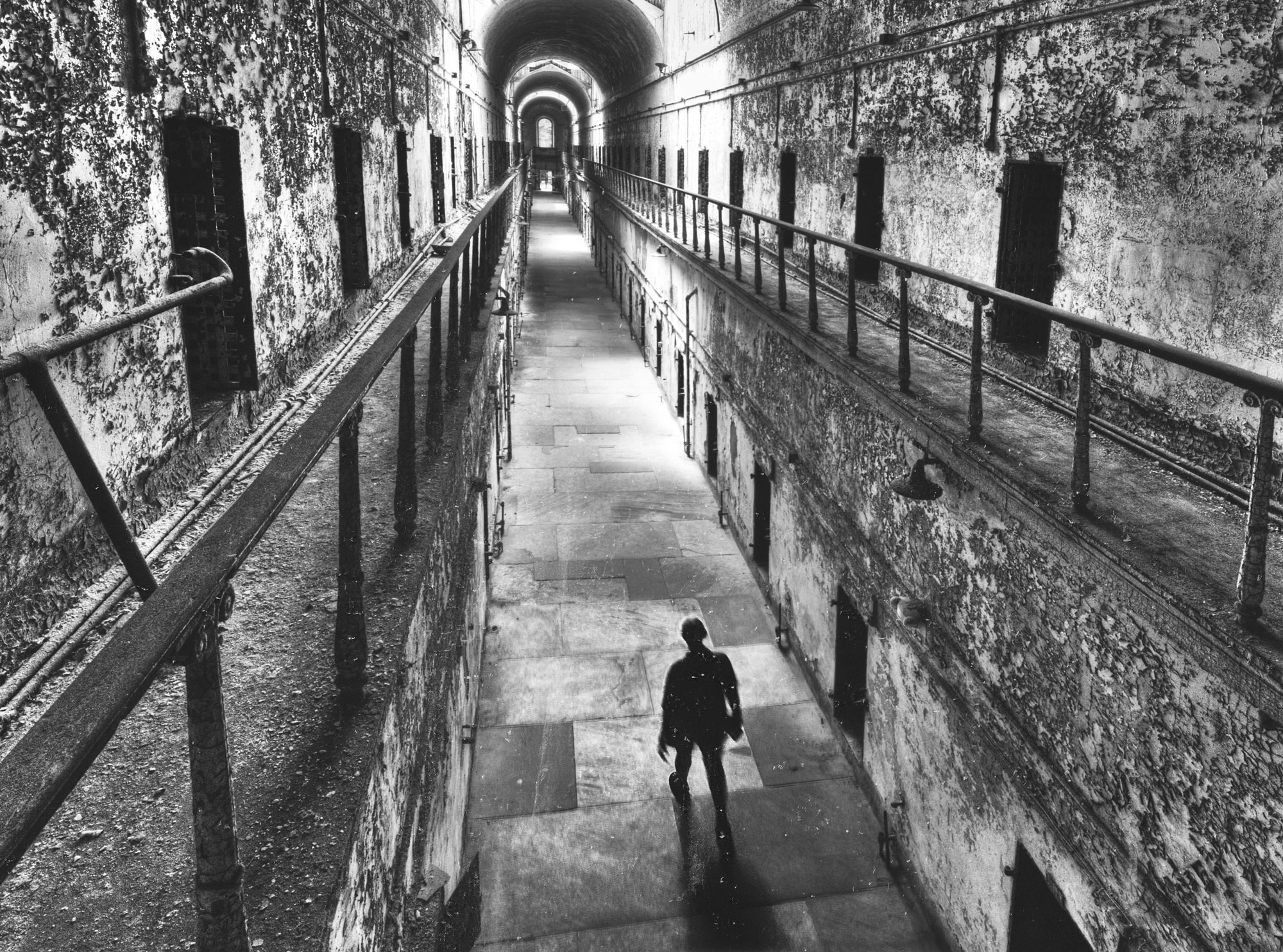
Eastern State Penitentiary
You won’t find a more famous, and freakishly fishy, Halloween festivity than the Eastern State Penitentiary in Philadelphia. Opened in 1829, it’s known as America’s first penitentiary – and infamous for being the place where the practice of solitary confinement was pioneered. Despite being closed in 1971, the prison is still considered to be one of the most haunted places in the country, where shadowy figures and strange noises frequently freak out visitors and staff.
Gettysburg
Lincoln’s words are hardly the only Civil War-era ghosts lingering around Gettysburg’s hallowed ground. In the town repeatedly named to haunted-destination lists, visitors have witnessed eerie sounds and sights at the Jennie Wade House Museum, erstwhile home of the Battle of Gettysburg’s only civilian victim, and the Sachs Covered Bridge – where phantom cigar smoke, gunshots and even disembodied heads have been reported among the shadows.
Pennhurst Asylum
Tucked into the Brandywine Valley is the Pennhurst Asylum, said to be haunted by the souls of the mentally and physically disabled patients who suffered nightmarish treatment there from 1908 until late 1980s – when the abuse revelations helped spur America’s disability rights movement. The forbidding former hospital offers guided historical tours of its barracks and tunnels by day and, by night, is a seasonal haunted-house attraction where visitors glimpse at ghosts and peep at the paranormal.
Evans City Cemetery
An old cemetery in the middle of a tiny town? Count us in. Evans City Cemetery is the location of George Romero’s 1968 film “Night of the Living Dead,” the ur-text for all things zombie in pop culture. About 30 miles north of Pittsburgh in Butler County, Evans City was once a camping ground for Native Americans. Now a borough making up less than a square mile of land, Evans City and the cemetery have become a tourist destination for horror movie buffs.
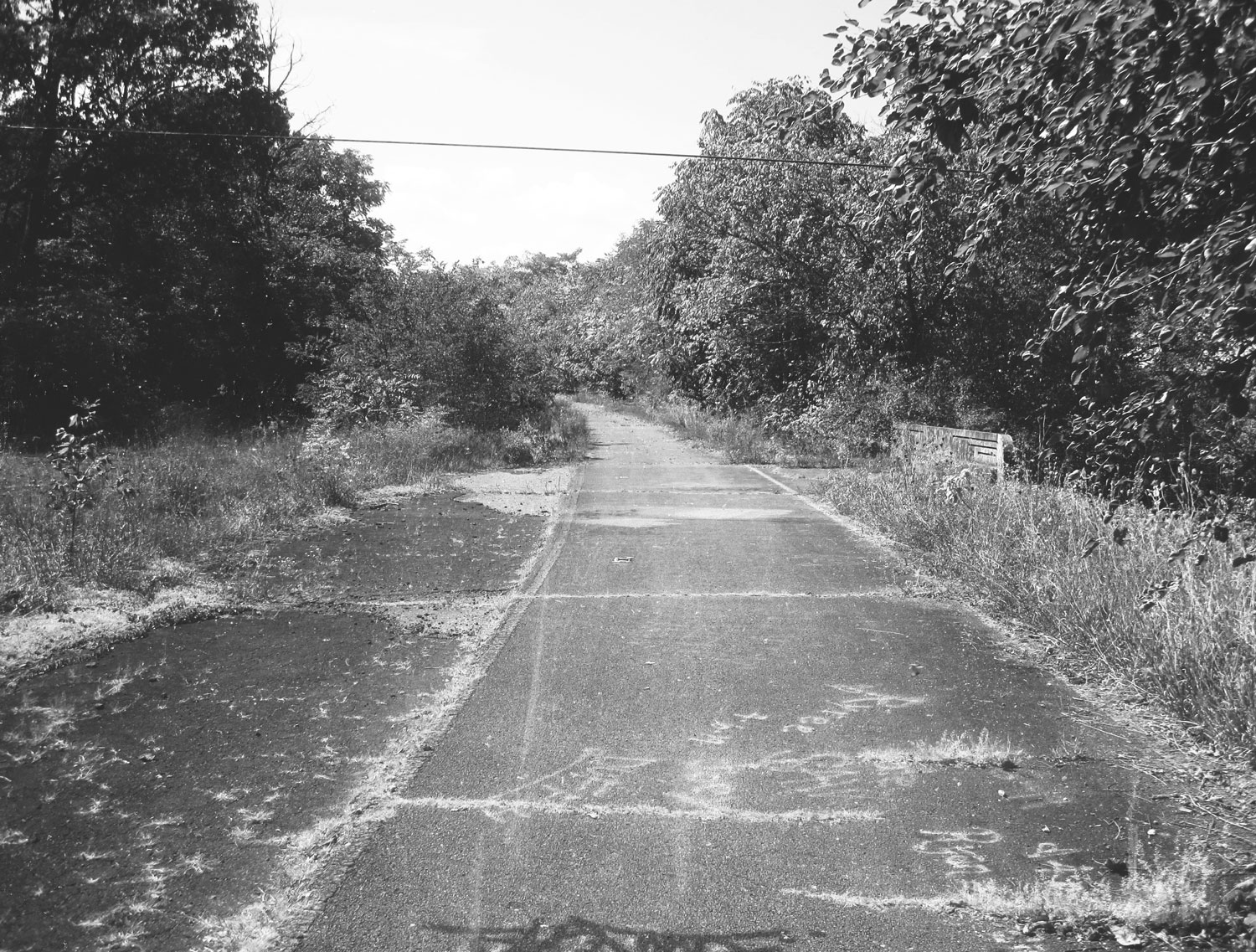
Abandoned Pennsylvania Turnpike and nuclear bunkers
What's creepier than a road to nowhere? The echo of one’s own footsteps in a pitch-black tunnel, maybe. Such are the eerie thrills of the Abandoned Pennsylvania Turnpike, a 13-mile span relieved of its duties in 1968 whose forlorn brambles – and 19th-century rail remnants – are popular with South-Central Pennsylvania explorers.
Deep in the forests of Cameron County is the closest thing Pennsylvania has to Chernobyl: the abandoned Cold War-era bunkers where nuclear jet engines were tested. The project was jettisoned in 1960, and the bunkers – moldering in grime and graffiti – have served as unsettling landmarks ever since.
Pennsylvania Witch Trials
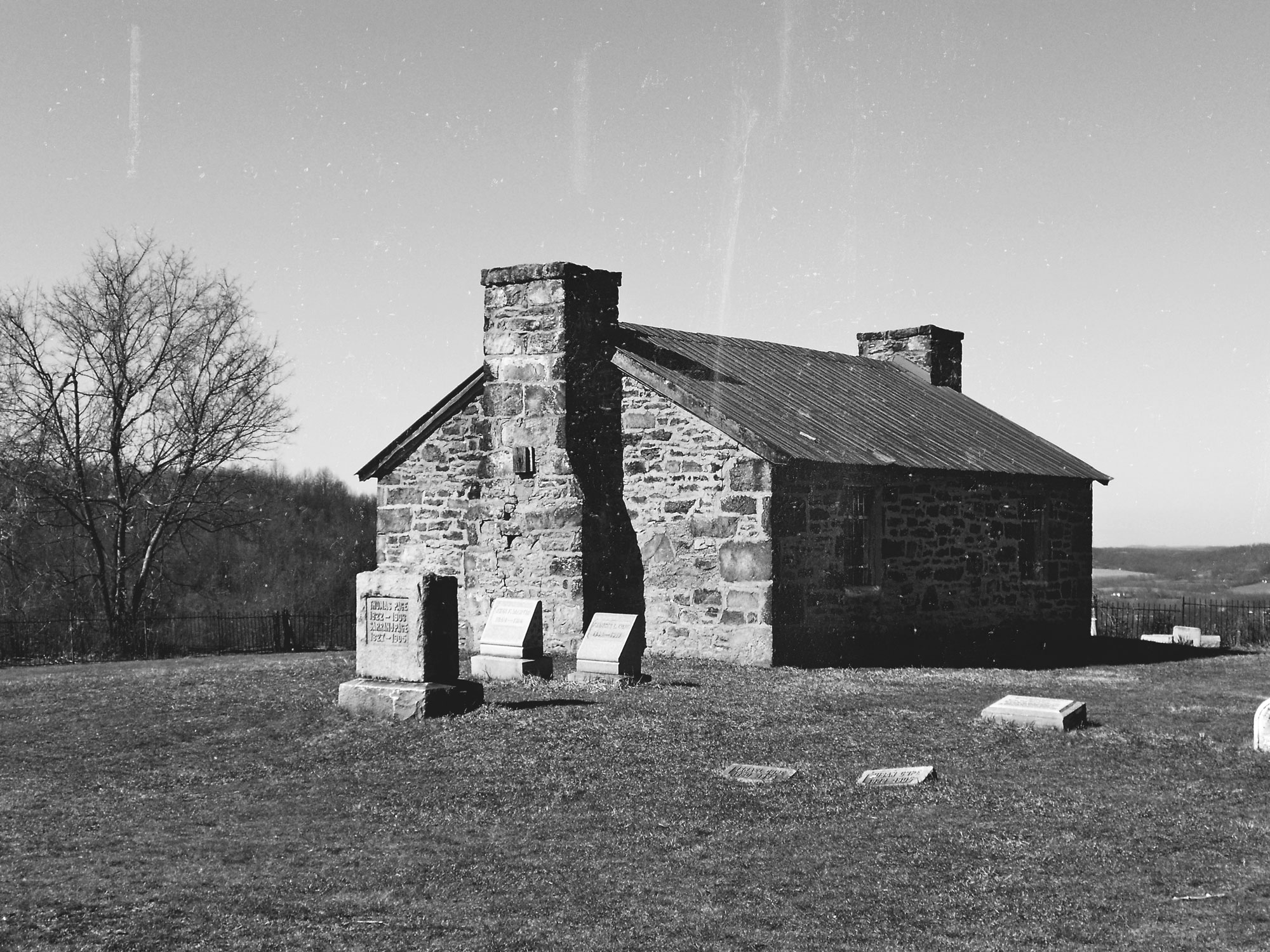
While Salem, Massachusetts is well-known for its historic witch trials in 1692, Pennsylvania has a few witchy legends of its own. In Fayette County, urban legends persist about a witch being tried and executed in a Quaker meeting house in Perryopolis, known as the Providence Meeting House, though the legend has little basis in fact. However, Pennsylvania was home to one actual witch trial that predated the famous Salem witch trials, with William Penn presiding over the trial of Margaret Mattson, known as the “Witch of Ridley Creek.” Mattson was ultimately found guilty of having the reputation of a witch, but not guilty of bewitching local animals.
NEXT STORY: This week’s biggest Winners & Losers