
Education
Ages of uncertainty
How the state, and its stakeholders, are strategizing around the slow-motion fallout of a rapidly aging population, a shrinking workforce pool and decreasing birth rates.
Melissa Ross via Getty Images

As the commonwealth’s population ages at a rate outpacing that of neighboring states, two Central Pennsylvania institutions – one catering to children, the other largely to older adults – illustrate the complexities of meeting residents’ needs amid rapid demographic change.
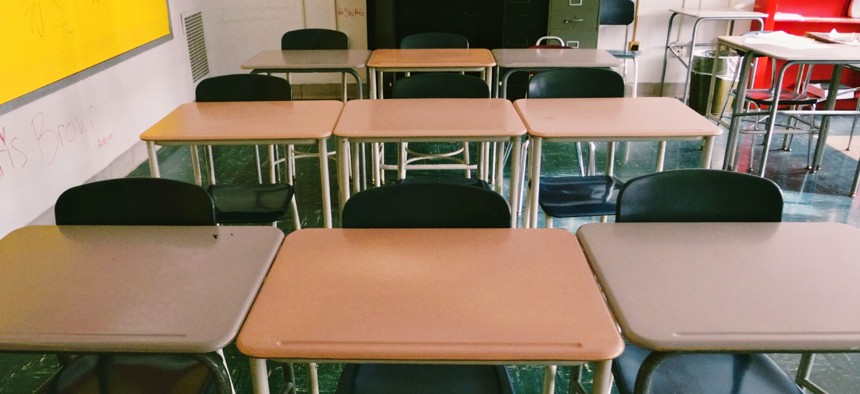
In Clinton County, where the elderly population is booming and the birthrate declining, classroom sizes are shrinking: Enrollment in the Keystone Central School District has dropped by more than 500 students – from 3,714 to 3,204 – in just five years. “But if you look at our school budget … it’s costing us a lot more money today to educate the same child than it did five years ago,” said longtime School Board President Elisabeth Lynch, citing ballooning costs for special education. “We're not saving any money with enrollment going down.”
In fact, rural districts like Keystone Central are struggling to balance school budgets alongside declining revenue from local property taxes, which fund public schools. That’s because a growing share of taxpayers are seniors, who are also struggling with rising costs – and increasingly seeking, and getting, property-tax exemptions.
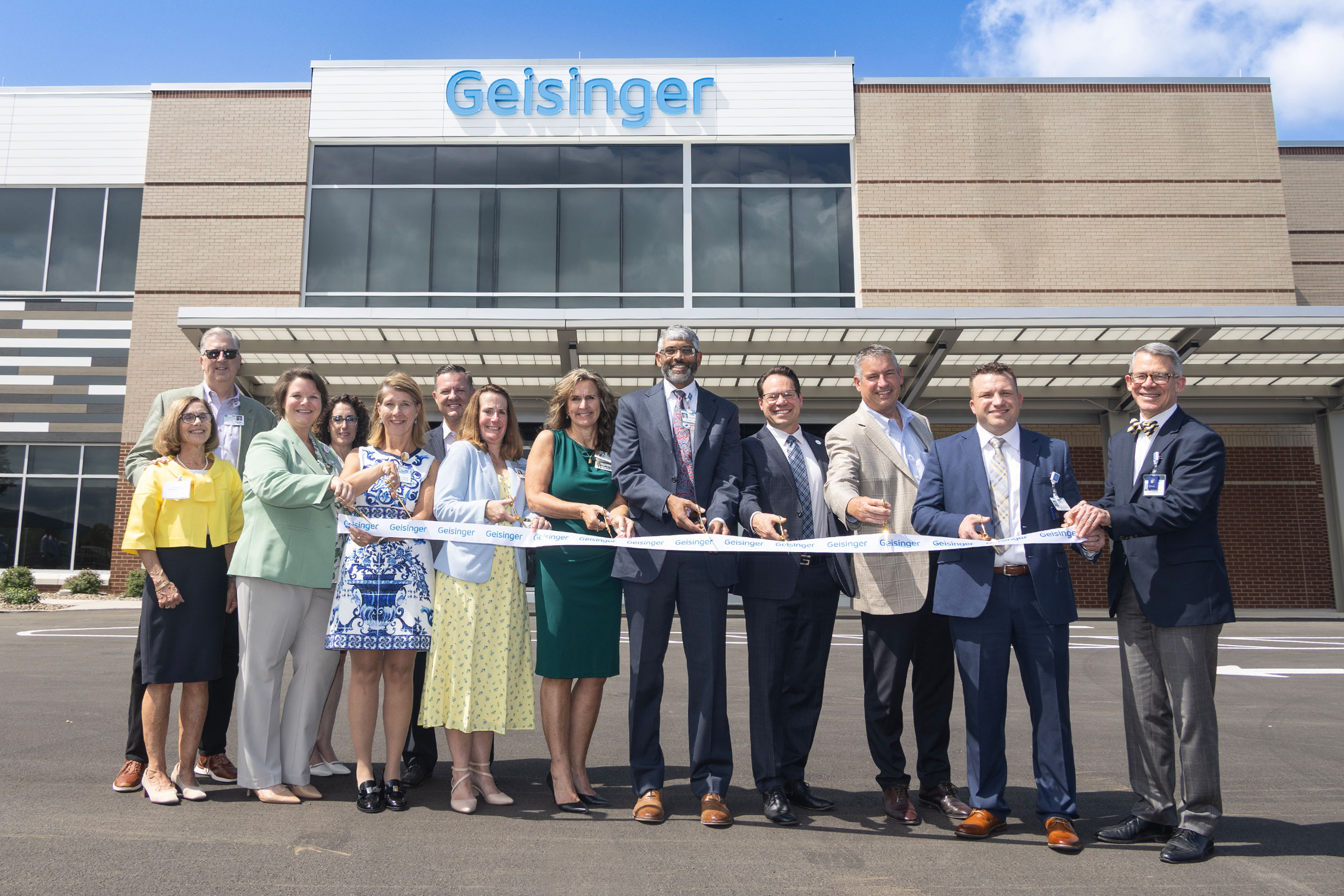
Not far away in Lewisburg, family-medicine physician Dr. Jason Mitchell sounds a more optimistic note. At his Union County primary care office, Geisinger Health’s chief medical officer walks a reporter through his multiservice clinic, a forward-looking model for serving an aging, rural clientele.
There’s an on-site lab where patients can have blood drawn; a pharmacist to fill their prescriptions and offer advice; and even a behavioral health specialist. For the growing number of elderly Pennsylvanians with declining mobility and poor transportation options, being able to accomplish multiple medical tasks in a single visit is a game-changer.
“It’s meeting people where they are,” said Mitchell. “By 2031, we’ll have about 50,000 more people over 65 – and 50,000 fewer people under 65. We are aging in place without population growth, which really changes what kind of care models you need.”
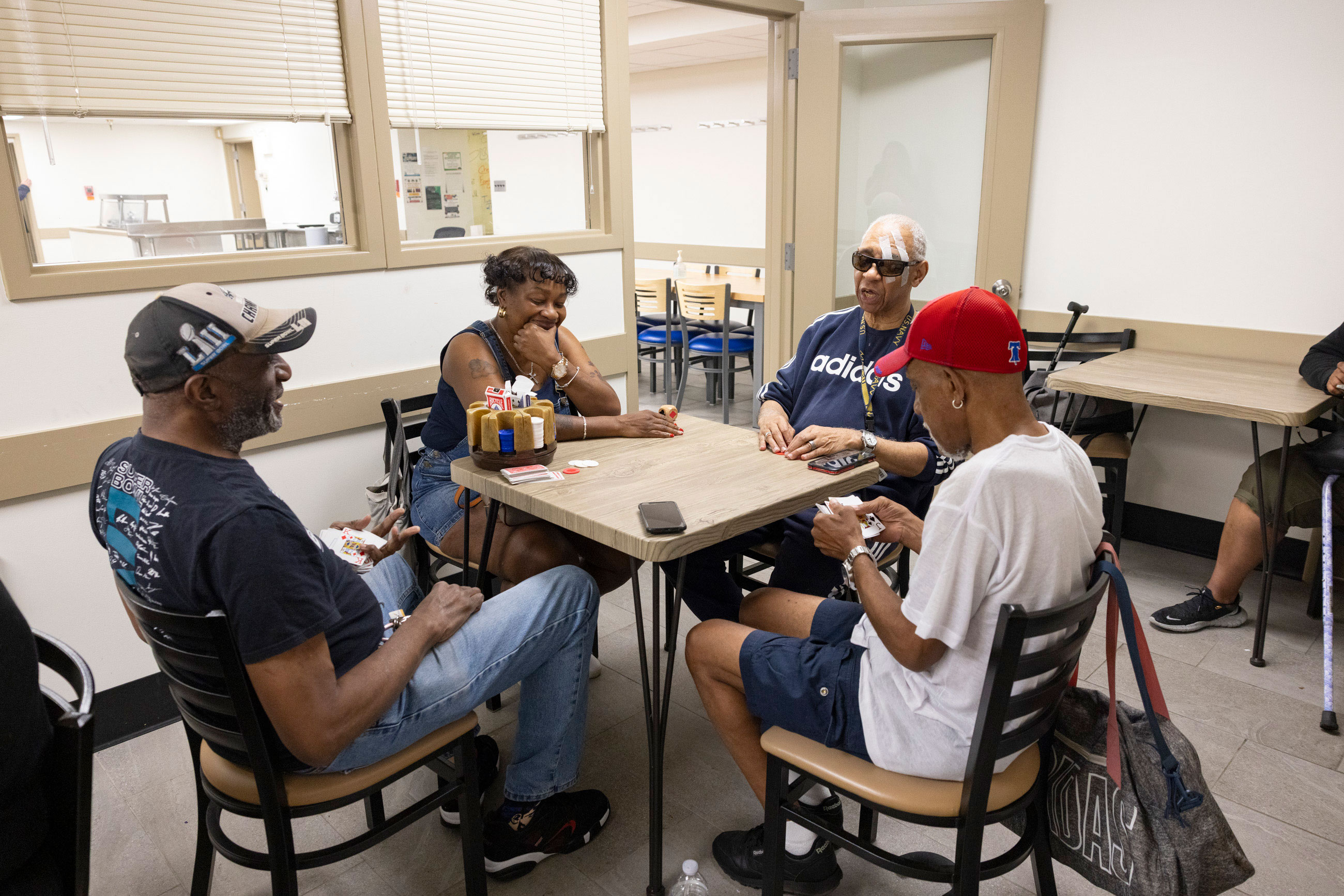
While populations across the nation and most of the world are skewing older, Pennsylvania is currently among America’s fastest-aging states. By 2030, 1 in 3 Pennsylvanians will be over 60; the fastest-growing demographic is people over 65, up 13% just since 2020, with the over-80 subset increasing particularly fast.
Meanwhile, the proportion of children and younger, working-age adults has been steadily declining due to a combination of low birth rates, outmigration and, more recently, the near-total federal shutdown of immigration. The result: Pennsylvania’s overall population – which after years of slow growth recently stalled around 13 million – is projected to slowly decline.
The state’s long-term population growth rate “has often been among the lowest in the country,” said Justin Theal, a senior officer with Pew’s Fiscal 50 project researching key state fiscal trends. “That combination means that the state is becoming increasingly dependent on other factors to drive population growth, like migration between states as well as from abroad, to support its overall population growth.”
The fallout of demographic change is already apparent in contracting school districts, downsizing universities, swelling state Medicaid expenditures and hospital closures. And as the geriatric trend accelerates – something experts say is virtually guaranteed – its impact will be felt in ways large and small throughout the commonwealth, imperiling cornerstone industries like higher education and necessitating large-scale changes in strategy around everything from the state budget and school funding to healthcare delivery and workforce recruitment.
“The core challenge for Pennsylvania is just fewer people in their prime working years supporting a growing segment of the population that tends to need more expensive public services over time … and makes it harder to rely on property taxes for schools,” said Theal, the Pew analyst.
“But Pennsylvania is really ahead of the game when it comes to trying to understand what demographics trends mean for the state,” he added. He called the state’s Independent Fiscal Office “one of just a few state agencies that takes a hard look connecting the demographic trends to fiscal impacts going forward.”
The commonwealth is also one of just 14 states to have a comprehensive, multi-sector strategic plan around aging. In 2024, Gov. Josh Shapiro spearheaded “Aging Our Way,” a 10-year program aimed at bolstering seniors’ access to resources like housing, transportation and aging-in-place services – all of which can be particularly complicated in a sprawling, largely rural state with chronic labor shortages. The plan incorporates input from hundreds of listening sessions in all 67 counties, as well as collaborations with state agencies and community organizations.
Math lessons
Pennsylvania Secretary of Aging Jason Kavulich, a veteran of Pennsylvania’s aging sector who has overseen the plan’s rollout, emphasized that a growing senior cohort offers opportunities as well as challenges.
“They’re the people that are keeping our institutions going; they’re the people that are keeping our community strong,” he said of the legions of retirees volunteering at libraries and Little Leagues, watching grandchildren while parents work, and playing in community bands. “Yes, there’s challenges and there’s some strain on our systems, but we should be working hard together to find solutions for them.”
At the other end of the age spectrum, the fallout of Pennsylvania’s demographic shift is already evident. Few sectors have seen as dramatic an impact from Pennsylvania’s dwindling youth population as education – and the challenges are apparent at every level, from lower kindergarten enrollments to shuttering colleges.
For a state that prides itself on a robust higher-education sector – one that generates tens of billions of dollars in annual economic impact – the trend is ominous.
Ten post-secondary schools across the state have closed outright over the past decade, including Philadelphia’s University of the Arts and Pittsburgh Technical College, and many more have merged: Villanova University, for instance, recently acquired the financially struggling Rosemont College and took over the campus of now-defunct Cabrini University as well.
Pennsylvania State University is closing seven of its 19 branch campuses (those slated for closure only enroll some 3,000 students). Meanwhile, Pennsylvania’s State System of Higher Education – whose enrollment plunged from around 120,000 to roughly 80,000 in recent years – recently consolidated six of its 14 schools into two universities.
The trend is evident in lower grades as well. The School District of Philadelphia, the state’s largest public-school system, is now strategically downsizing, with 17 of its schools slated to close.
“As an industry, we really overbuilt our capacity,” said PASSHE Chancellor Chris Fiorentino – a statement that could apply equally to schools at all levels. Still, even a decade ago, “there was a lot of denial in higher ed,” he added. “It’s always easier to just hope … that they could turn it around: ‘Well, if we can get our enrollments up 5%, that's going to take care of our budget shortfalls, and everything's going to be fine.’”
Over more than 40 years in the PASSHE system – mostly at West Chester University, where he was president until 2024 – Fiorentino, an economist by training, had come to see the shift coming in dwindling cohorts of high school graduates. Despite the challenges, he told City & State, public university systems – with their economies of scale, lower tuitions and state funding – have a survival advantage over smaller, pricier private colleges.
“We had the entire industry fighting over this shrinking pool of students,” he reflected. “Our hope was that we could preserve opportunity for as many students in these rural areas as we could. And we felt that consolidation would buy us time.”
But downsizing, even alongside state-subsidized tuition freezes, won’t be enough to stabilize the system in the long run. For that, Fiorentino knows that PASSHE will have to grow its pool of potential students. The system has engaged a consultant to identify the million-plus Pennsylvanians – working-age college dropouts, for example – who might be receptive to pursuing degrees.
“If we're going to fill that gap, this is where we're going to have to fill it from, because there is no other place to get students,” he said. The strategy could also have long-term payoffs for the state’s rural communities, he noted, by educating a workforce pipeline for the state’s new corporate tenants, including Chobani and Burlington.
In rural public school districts, the mood is far less sanguine. Keystone Central’s interim superintendent, Alan Lonoconus, painted a gloomy picture of a slow-motion financial disaster: Exhibit A is a property-tax base that is shrinking in inverse proportion to a growing population of frugal seniors; Exhibit B is the skyrocketing costs of items like employee healthcare and federally mandated special-education services.
“We have millions of dollars of facilities that we cannot upgrade or (even) maintain,” said Lynch, the school board president, adding that the district has deferred book purchases and put new advanced-placement classes on hold. “But the primary funding for a commonwealth state is local real estate taxes … It's unsustainable on so many levels, so I believe in our lifetime there is going to be some sort of change. We don't want to have to keep raising taxes on our neighbors.”
Districts like Keystone Central are victims of the growing rural-urban divide, according to Paige Kelly, an assistant professor of rural sociology and demography at Penn State. “Rural areas have a lower tax base, a lot less capacity … but then are expected to provide the same range of services as much larger urban counties,” she pointed out. Kelly cited not only schools, but also items like road maintenance and support for local entrepreneurship.
Lynch knows that a radical overhaul of school funding sources is improbable. But deteriorating public schools, she said, challenge the state’s ability to attract the working-age families it desperately needs. It frustrates her to read about young digital nomads flocking to more fashionable parts of rural America, like Vermont and Maine, while overlooking what Central Pennsylvania has to offer.
“The voters, I believe, are interested in this issue,” she affirmed. “And they will come out to vote when someone comes to the table and says, ‘Look, get me elected: This is one of my priorities.’”
Tending to healthcare
At hospitals across the commonwealth, healthcare professionals share a similar worry – that as declining populations force hospitals to close, their communities will be less attractive to exactly the working-age professionals regions need to stay vibrant.
A staggering 25 Pennsylvania hospitals have closed over the past decade, according to The Hospital and Healthsystem Association of Pennsylvania – and an additional 12 to 14 are at risk of closing in the next four years due to financial and staffing challenges. In a state where big cities are a day’s drive apart, some of those closures have left rural communities without nearby emergency care, including labor and delivery units – many of which have also closed at rural hospitals in recent years.
The Center for Rural Pennsylvania recently identified what it calls a “maternity desert” larger than the state of Connecticut – eight contiguous Northern Pennsylvania counties without dedicated childbirth services. At the most recent hospital to shutter its labor and delivery unit, Warren General, births had dropped from 400 in 2000 to just 175 in 2025, the last year babies were delivered.
Warren General offers an unvarnished portrait of the demographic factors at play in hospital closures. The county has lost a full quarter of its residents over the past half-century, and it is hardly atypical; far more residents are over 65 (26%) than under 18 (19%). With a national shortage of OB-GYNs, the hospital’s CEO, Dan Grolemund, found it impossible to recruit a replacement for the lone remaining physician specialized in childbirth, who was nearly 80 (and, unlike urban colleagues, was on-call around the clock).
“It is very difficult to recruit in some of these rural communities. They have lower volumes, but still have similar overhead in trying to run a 24/7 healthcare facility,” noted Kate Slatt Coleman, vice president for policy and care delivery at The Hospital and Healthsystem Association. Throw in seasonal ebbs and flows, she added, and all these factors “make it really hard from a revenue management standpoint.”
Pennsylvania hospitals and healthcare facilities also face structural challenges. “Our Medicaid reimbursement in the state is 11 percentage points lower, and our commercial insurance payments are 29% lower, than our peer states or compared to the national median,” said Jennifer Jordan, the association’s vice president for care continuum and behavioral health strategy. Those disparities loom particularly large in light of Pennsylvania’s increasing reliance on Medicaid for rural and elder care.
While young parents may face a dearth of primary-care and obstetrical options, the needs of aging Pennsylvanians are ubiquitous and pressing. Aging Secretary Kavulich praised the collaboration between his agency and the state Department of Transportation, which has brainstormed solutions to coordinate transportation alongside the state’s 51 Area Agencies on Aging.
But it’s not just about more transportation: At Geisinger, Mitchell’s integrated clinics deliver myriad resources within a single visit. The health system’s neurologists, recognizing that neurology patients struggle with mobility, offer initial visits via telehealth. In 2027, Geisinger will launch a remote monitoring program to keep on top of vulnerable patients’ conditions.
And the health system’s Ask-A-Doc tool, which allows providers to pose questions to specialists, can save patients the trip to see a second doctor – while freeing up volume for overbooked specialists. As an example, Mitchell offered a case of treatment-resistant heart failure: “A cardiologist reads my question and generally responds the same day, and then I can titrate medications,” he explained.
All of these initiatives, Mitchell added, are aimed at decreasing barriers to care – with the downstream effect of keeping elderly patients out of the costly emergency department, improving both health outcomes and bottom lines.
“Healthcare across the United States is unaffordable … And the way you make it affordable is better health,” Mitchell explained. “If you can take your frail elderly, and you can intervene before their first fall, you've changed the trajectory … Nutrition, physical therapy, aides in the home: What is it that's going to prevent that first fall? Let's get ahead of it.”
Prevention and access are also cornerstones of the Shapiro administration’s strategy. Kavulich’s team, for instance, recently partnered with the University of Pennsylvania’s Healthy Home Laboratory to upgrade lighting in seniors’ homes – a move that can reduce falls. “When older adults fall, it costs our healthcare system in many ways – the emergency room, helping them get through rehab,” the secretary noted.
His department also spearheaded a new division devoted to Alzheimer’s and other dementia-related disorders, which are on the rise as the population ages. Relatedly, in May 2025, the state Department of Aging released the PA CareKit: Essential Support for Caregivers in Pennsylvania, promoting its resources at libraries, senior centers and lawmakers’ offices.
A workforce that works
Not all seniors are frail, of course. Many remain active and engaged – meaning they could potentially help solve the commonwealth’s workforce shortage.
Patricia Blumenauer, the state’s deputy secretary for workforce development, has been spearheading initiatives to connect retirees with flexible, senior-friendly jobs. PA CareerLink, Pennsylvania’s employment clearinghouse, directs older adults to resources to help with the costs of transportation, training and even uniforms – all of which are potential barriers to employment.
At the other end of the age spectrum, “we've really started to shift our focus on building the talent pipeline starting at a younger age … (starting) in middle school,” said Blumenauer. “We've been working with the Department of Education, partnering with trade schools, community colleges, career and tech ed centers to look at what are the specific needs of communities and the employers within those communities.”
Apprenticeships are a pillar of this initiative, with nearly 300 new training programs – engaging 45,000 Pennsylvanians – débuted by the Shapiro administration since 2023. Equally important are private initiatives, especially from the healthcare organizations whose longstanding, acute workforce shortages were exacerbated by the COVID-19 pandemic.
One is The Wright Center for Graduate Medical Education in Scranton, whose community-based medical training is cultivating a homegrown rural healthcare workforce in the state’s traditionally underserved Northeast. Another is Geisinger’s Abigail Geisinger Scholars Program, which waives medical-school tuition for students training for shortage-prone primary care or psychiatric specialties.
Geisinger also recently opened up a school of nursing in the state’s Northeast, and partners with schools across the state on clinical training opportunities.
Sociologist Emilio Parrado, who directs the University of Pennsylvania’s Population Studies Center, pointed out that parallel trends – like reverse migration from working-age Americans priced out of the Sun Belt – might also help ease the commonwealth’s workforce strain.
“Young people might actually have an easier time finding jobs when you have more jobs than people,” Parrado offered, alluding to the vacancies left by retiring baby boomers and Gen Xers. The continued expansion of remote work could also attract newcomers attracted to Pennsylvania’s relatively affordable housing, low cost of living and abundant natural and cultural resources.
“I think (younger) people are going to be following amenities, not jobs,” he said.
Making it all add up
The aging trend is also increasingly evident nationally – which could eventually force the kinds of structural innovation that aging regions will need in order to adapt.
“As of 2020, Pennsylvania was in the top 10 states with the largest shares of older adults – but it's actually projected to fall out of the top 10 in 2030 and beyond,” noted Wan Smith of Pew. So it’s unlikely to be unique in facing the growing tension between soaring demand for expensive Medicaid-provided services, like long-term care, and budgetary costs.
However, especially in light of last year’s federal spending bill – the One Big Beautiful Bill, which includes $1 trillion in cuts to Medicaid spending over a decade – observers are concerned about how the commonwealth will meet its growing obligations as the population ages.
Currently, Pennsylvania is one of just four states to dedicate more than a fifth of its budget to Medicaid, at 24%, the second-largest share by percentage of all 50 states (only New York’s was higher).
“It’s not inherently good or bad,” said Theal, “but it does mean that any additional cost growth within that program – any additional dollar that Medicaid would consume – means that dollar may not be that available for education, transportation, public safety, other priorities.”
Wan Smith pointed out that long-range thinking around demographic change is at odds with the annual rhythm of a state budget cycle, where “things move very quickly, and there are obviously a lot of competing needs and immediate needs that take priority,” she said. “It would really be a change … to incorporate more of that long-term planning.”
For his part, Kavulich remains optimistic. “These conversations are evolving,” he said. “We’re at the table together in a new way, with a new energy to find different ways to system-problem solve.
“And not every problem needs to be solved with dollars,” he added. “Sometimes it needs to be. But other times, we need to roll up our sleeves and think differently.”