

Capitol Beat
A history of high-profile Harrisburg fires
Pennsylvania’s Capital City has experienced more than a few high-profile fires over the last 150-plus years.
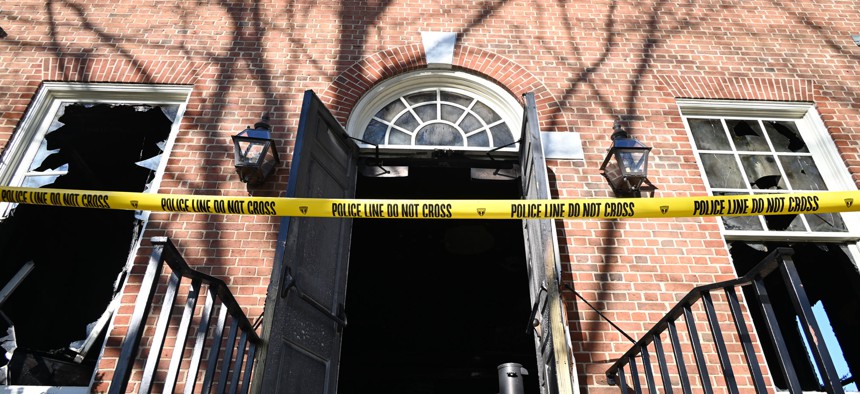
The Pennsylvania Governor’s Residence was damaged after an arsonist’s attack in April 2025. Kyle Mazza/Anadolu via Getty Images

Pennsylvania’s Capital City has a notable history of high-profile fires. Recently, headline-grabbing blazes at the Governor’s Residence and Harrisburg’s historic Broad Street Market have left an indelible impression on the local community.
But Harrisburg’s fiery history stretches beyond recent events, with infernos affecting landmarks like the city’s Grand Opera House, a TRW Inc. plant that manufactured jet engine parts, a Vernon Industrial building in Allison Hill – and even the state Capitol. To cap off the year, City & State put together a chronology of conflagrations in the commonwealth’s capital.
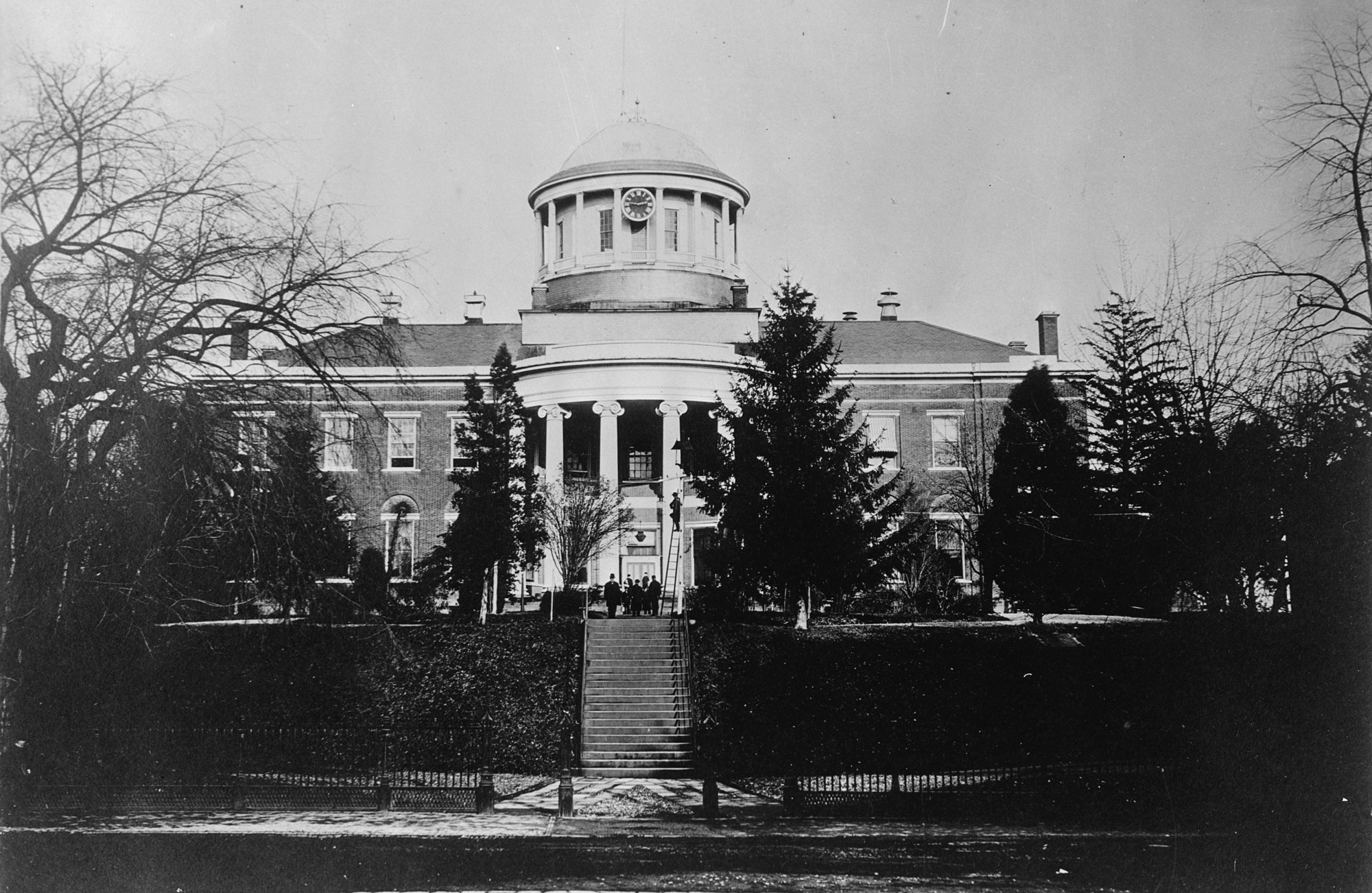
The 1897 Hills Capitol Fire
Local architect Stephen Hills was the driving force behind what’s known as the “Hills Capitol” – the first state Capitol building in Harrisburg, constructed for a total cost of $158,000, which would amount to roughly $4.3 million today. The Hills Capitol was opened and dedicated in 1822, and saw several additions and changes throughout its 75-year lifespan. However, the brick building was destroyed in a fire that occurred on Feb. 2, 1897, while the legislature was in session, according to the Capitol Preservation Committee. The blaze occurred during a snowstorm and ultimately prompted lawmakers to commission a new state Capitol, which stands to this day.
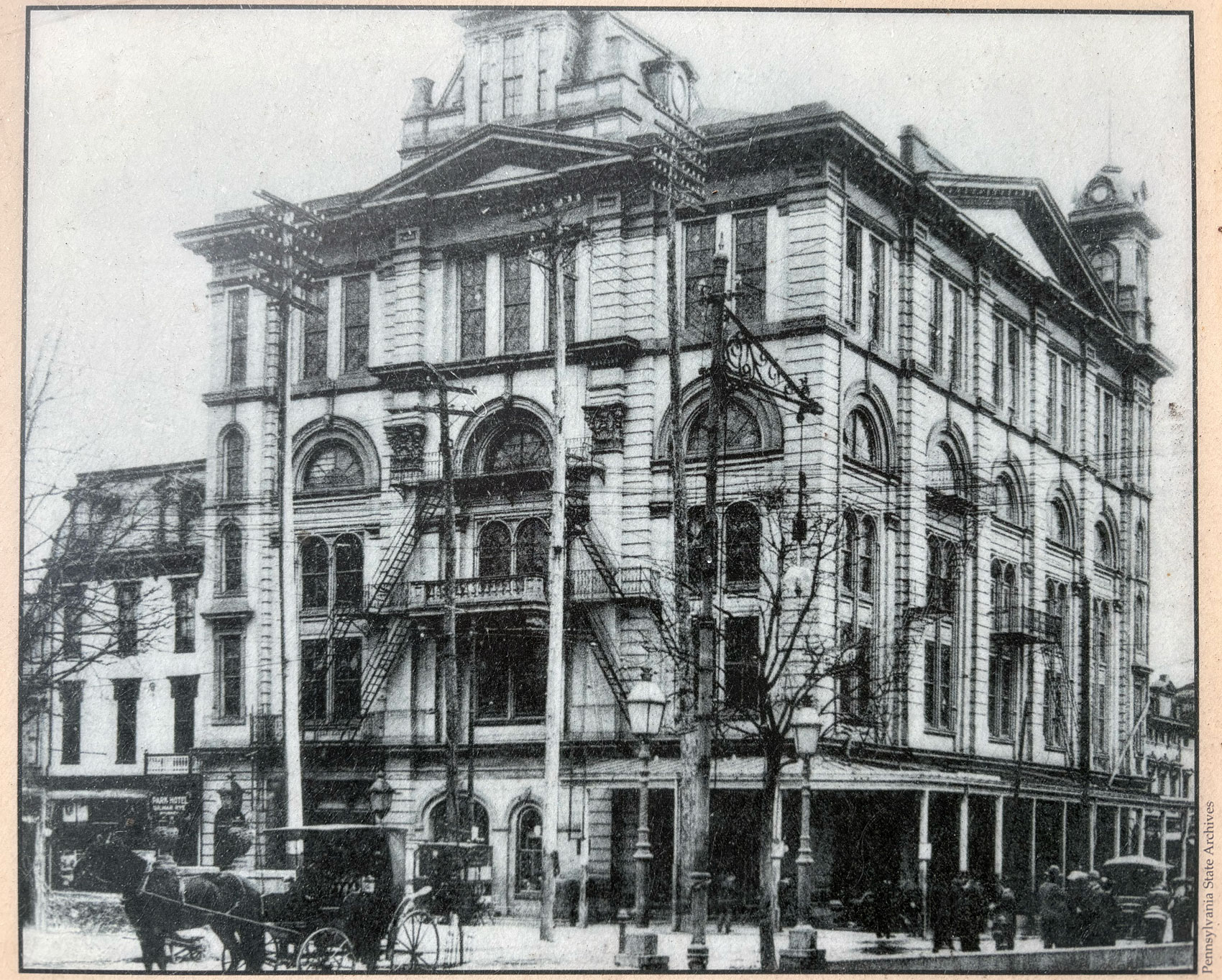
The 1907 Grand Opera House fire
Just 10 years later, in 1907, a fire destroyed another major Harrisburg building: the city’s Grand Opera House. The opera house was located on the southwest corner of N. Third and Walnut streets and was built in 1873 by the Masonic Fraternity at a cost of roughly $160,000, which, adjusted for inflation, would be approximately $4.3 million. Designed by architect Frank. E Davis, the Grand Opera House doubled as the Harrisburg Masonic Temple, according to a historical marker erected as part of the Harrisburg History Project. The building was home to lodge rooms and a theater, and hosted musicals, theatrical productions, graduations, political meetings and other events. One notable visitor was the Irish author and playwright Oscar Wilde, who delivered a lecture at the opera house in 1882. The site was home to the Penn Harris Hotel from 1918 to 1973, and is now home to Strawberry Square, a mixed-use retail and commercial building.
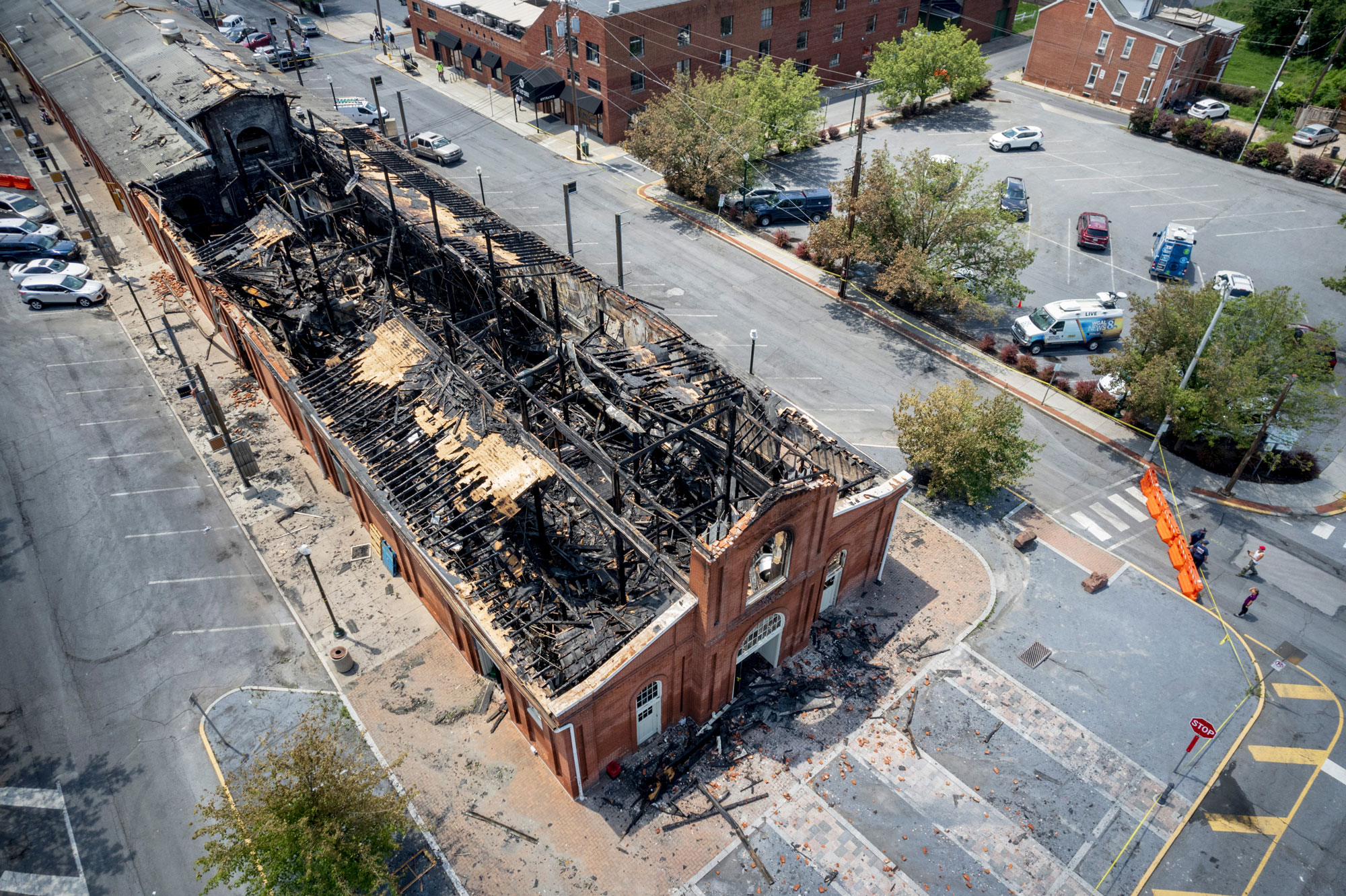
The 2023 Broad Street Market fire
In July 2023, half of the city’s iconic Broad Street Market was destroyed by an overnight fire caused by an electrical malfunction in a ceiling fan. The market’s brick building – which was home to produce stands, food vendors, a coffee shop and other businesses – was left unusable after the blaze, and has yet to reopen more than two years later. However, a temporary tent allowed some businesses affected by the fire to resume sales during the reconstruction.
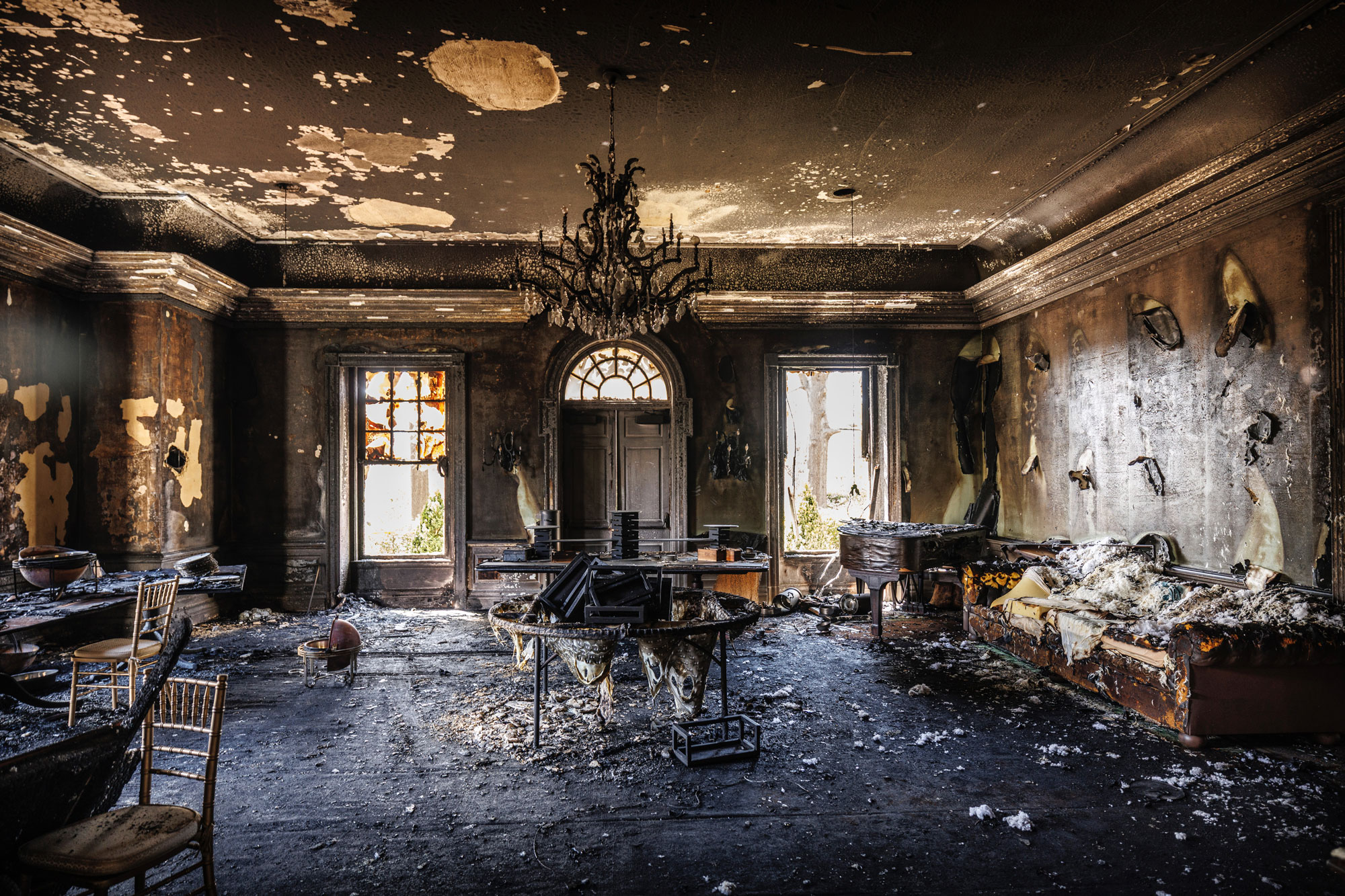
Arson at the Governor’s Residence
On April 13, 2025, an intruder broke into the Governor’s Residence and set part of it ablaze using Molotov cocktails. The attack, which happened just hours after Gov. Josh Shapiro and his family wrapped up a Passover seder, caused significant damage to the residence’s dining and piano rooms – but no injuries. Since then, restoration efforts have been underway, and crews have been working to implement security improvements to the residence. The perpetrator pleaded guilty in October to charges of arson, terrorism and attempted murder in what Shapiro called a “just outcome.”