

Healthcare
Proposed reproductive rights legislation would tackle decades-old state mandates
Lawmakers and advocates are debating which of the commonwealth’s web of abortion requirements are hindrances – or safeguards.
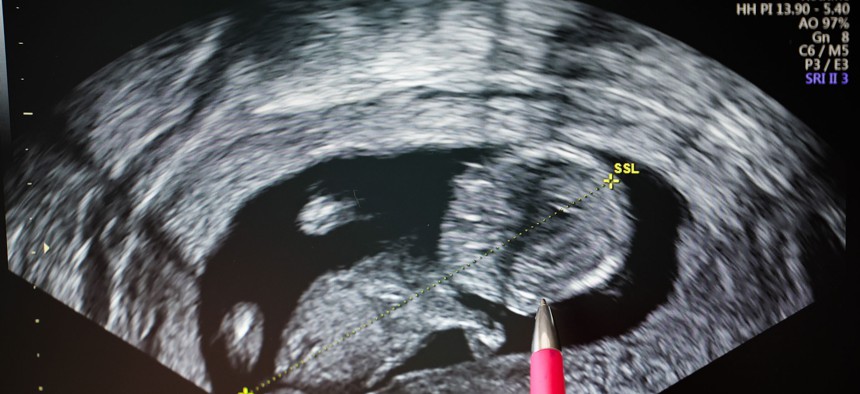
Women seeking abortions in Pennsylvania may be offered ultrasounds of the fetus, as shown above. Getty Images

A few years ago, Julia C. was working toward a communications degree at Millersville University when she unexpectedly became pregnant. In the aftermath of a car accident, she underwent tests at the emergency room, which revealed she was at least 12 weeks along – past both the 10-week cutoff for a medication abortion and the 12-week limit for a simple surgical procedure.
It took several weeks more to secure an appointment for her abortion, at Planned Parenthood’s York clinic, and an additional week – the waiting period mandated by law – to schedule the procedure. By that time, Julia’s advanced pregnancy required a more invasive surgery – and while that took less than an hour, the toll in both time and effort was staggering.
“Without a car, it would be essentially a day-long trip from York and back,” recalls Julia, who requested not to use her last name to protect her privacy. “I had to take (the bus) as far as I could, then walk the rest of the distance.”
At the clinic, she was escorted by volunteers past a wall of anti-choice protesters – and at some point, she realized with dismay that some of the “escorts” were actually anti-abortion activists. When the procedure was over, Julia remembers making frantic phone calls to her bank, begging to increase her daily withdrawal limit by $40 so she could afford the fare home.
“All I could afford was a Lyft to the closest bus shelter, then a bus back,” says Julia, a 28-year-old Lancaster City resident who has organized for nonprofits including Planned Parenthood. “And that was after having a procedure.”
Experiences like Julia’s illustrate why advocates for reproductive rights are stepping up efforts to knock down barriers to abortion across the commonwealth. This legislative session, state lawmakers are advancing bills that would crack down on clinic harassers and eliminate the mandatory pre-abortion waiting period.
Abortion advocates’ agenda includes ambitious measures that would dramatically widen access, such as allowing non-physician health providers to administer abortions – a norm in many states – and overturning the longstanding Medicaid ban on abortion coverage.
Pro-life lawmakers and advocacy groups are mobilizing against these efforts. The Pennsylvania House and Senate Pro-Life Caucus is fighting efforts to overturn state regulations around abortion, while Republican state Rep. Marla Brown has introduced a bill that would bar any state agencies – including those distributing Medicaid funds – from providing monies to pay for abortions.
And the Pennsylvania Pro-Life Federation, an anti-abortion group, is marshaling constituents to petition lawmakers to vote against the current raft of abortion-access measures being weighed in Harrisburg.
Susan J. Frietsche, the Pittsburgh-based executive director of the Women’s Law Project, said those measures would correct an undue burden on women seeking healthcare. “It is extremely difficult for many people to get access to abortion, even in a state” like Pennsylvania “that we think of as an access state. We have waiting periods, required anti-abortion counseling, informed consent” – even an unenforced statute requiring married women to inform husbands of a planned abortion, added Frietsche, who teaches reproductive law and policy at the University of Pittsburgh.
The issue has taken on new significance amid sweeping changes to Medicaid funding and after 2022’s U.S. Supreme Court decision, Dobbs v. Jackson Women’s Health Organization, which overturned Roe v. Wade, ending the constitutional right to abortion and leaving regulations around the procedure to individual states.
Meanwhile, the Pennsylvania Abortion Control Act remains on the books. The 1982 measure established the requirements that abortion-rights advocates have been fighting ever since. These include “informed consent,” the mandatory script that physicians must read to patients, outlining abortion’s risks and the resources available to pregnant women and mothers; a 24-hour waiting period after hearing the script; and parental consent for a minor’s abortion.
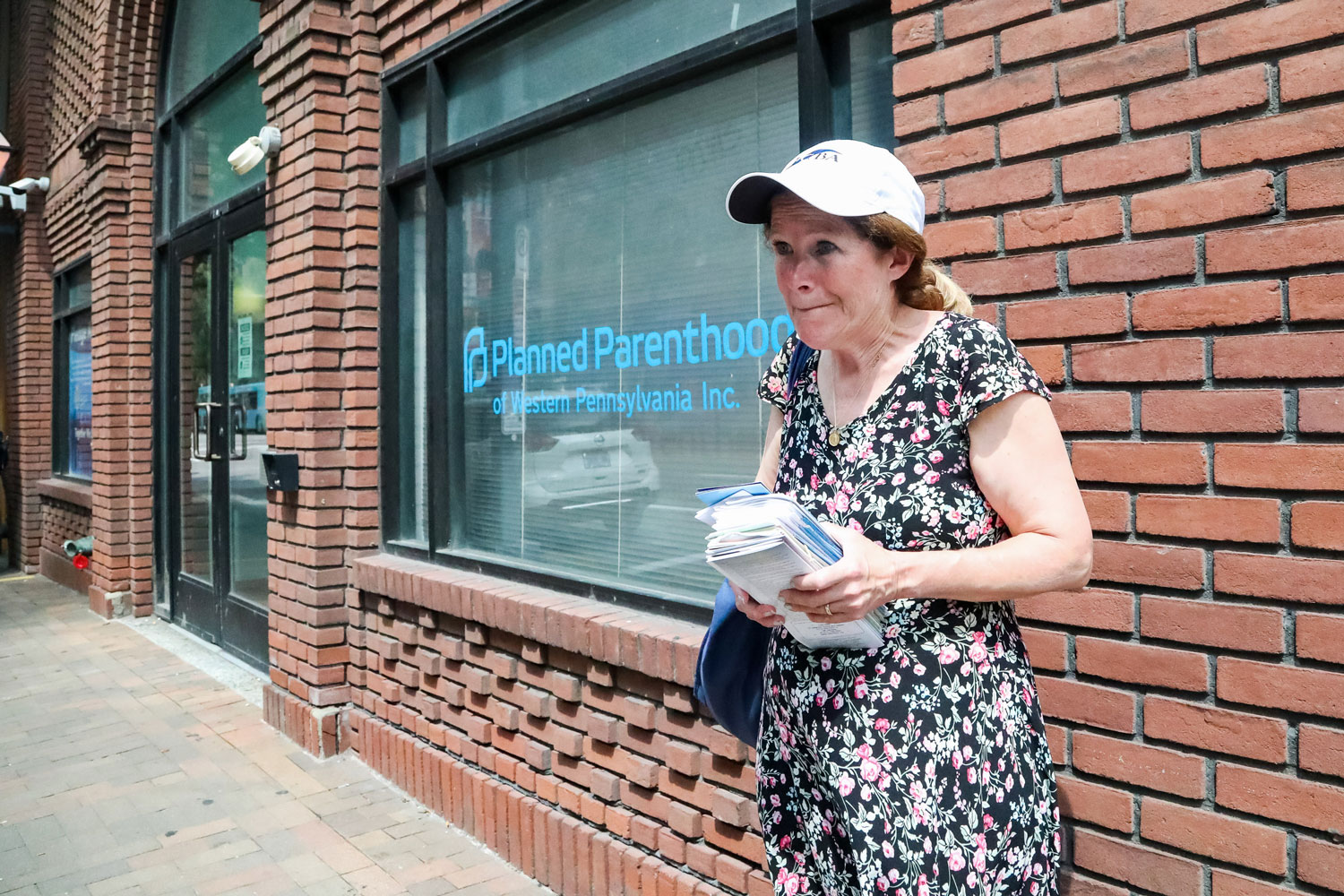
State Rep. Kathy Rapp said the Pro-Life Caucus, which she co-chairs, would vigorously oppose any efforts to weaken the provisions of PACA, which she said “is written in a way to protect the child as much as possible, the unborn child as well as the woman.” “I am realistic enough to know that we don’t have the votes to pass any pro-life amendments,” she told City & State. “But I will be opposing every abortion bill on the House floor.”
Rapp was particularly upset about any abortion-related legislation being on the agenda in December. “It’s appalling that we would be looking at destroying a child’s life just before our Christian holiday of celebrating Jesus’s birth,” she said.
For their part, abortion advocates say the burden imposed by extensive regulations has contributed to the dramatic decline in the number of Pennsylvania abortion providers – from nearly 150 in the 1970s to just 17 today, leaving vast swaths of the commonwealth essentially abortion deserts.
“Oftentimes, people think of abortion battlegrounds as the … more red states – but in Pennsylvania, we are home to some of the most extreme policies,” said Signe Espinoza, who leads statewide advocacy as the executive director of Planned Parenthood Pennsylvania Advocates, an affiliate of the national reproductive health care organization. “I really push back on the messaging that we are a safe haven state. We are not.”
A thicket of requirements
While it can be complicated to obtain, in Pennsylvania, abortion has long been legal through the 24th week of pregnancy. Most procedures end pregnancies during the first trimester, calculated at 12 weeks, and a majority are so-called medication abortions, involving pills that prompt a miscarriage; the remainder are traditional surgical abortions, a quick, low-risk outpatient procedure.
Women who seek later abortions, like Julia, typically either do not realize they were pregnant until it is too late for a first-trimester procedure or discover through prenatal testing that the fetus has significant abnormalities.
Regardless of the timing, virtually all those seeking abortions in Pennsylvania will confront the obstacles Julia faced, including protesters outside a clinic. Such protests have, from time to time, flared into violence – and recently prompted state House Democrats to introduce the PA Freedom of Access to Clinic Entrances Act, a commonwealth version of 1994 federal legislation criminalizing intimidation or obstruction of clinic access for patients seeking abortions.
The federal measure was enacted following a spate of high-profile clinic violence – including the 1993 murder of Dr. David Gunn, an abortion provider, and 1994 shootings at clinics in Florida and Boston. Today, “with a rising tide of political violence, this feels really timely,” said Roxanne McNellis, director of public affairs for The Women’s Centers, a Philadelphia-based abortion services organization.
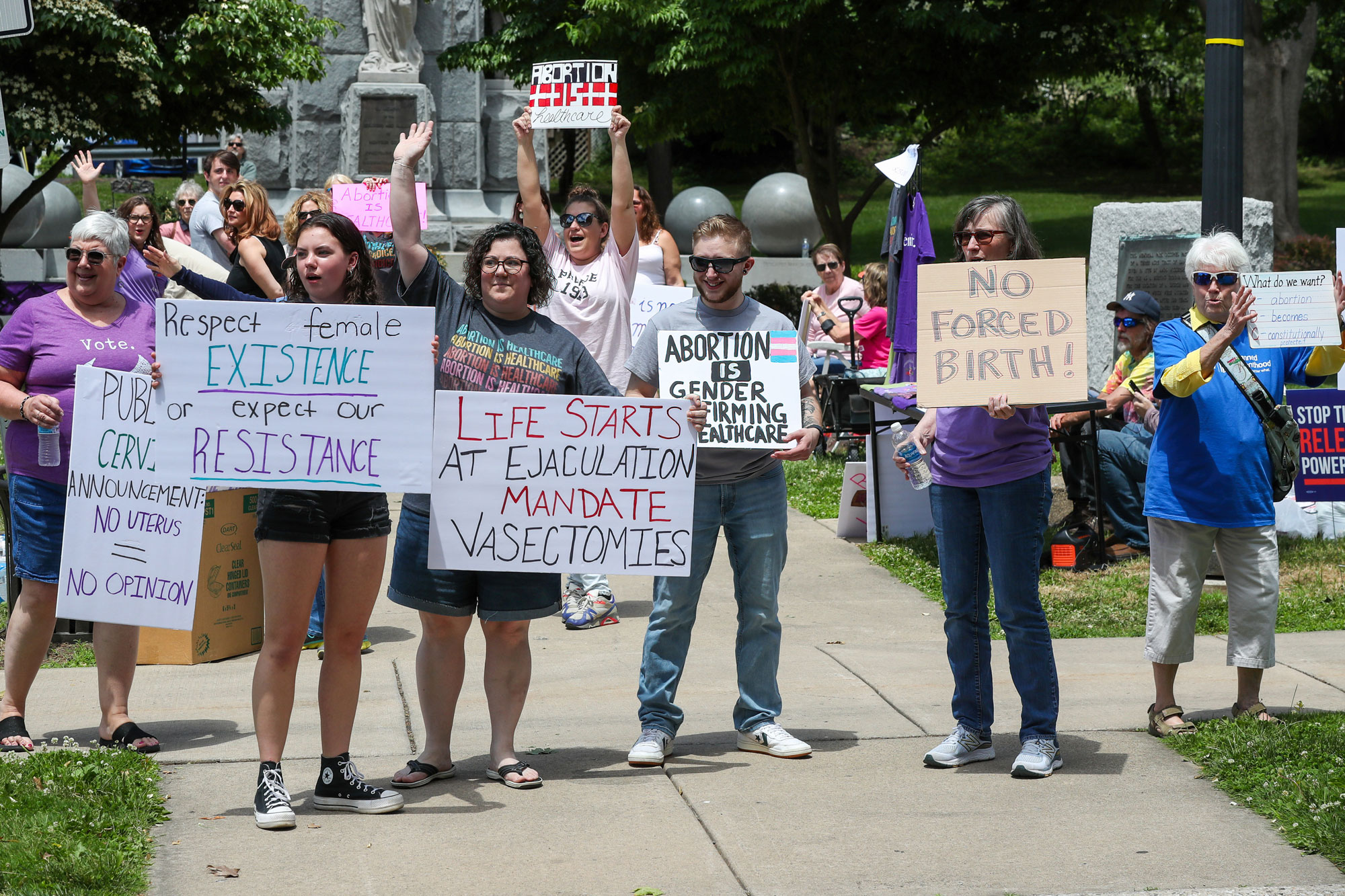
She noted that despite the federal law, President Donald Trump pardoned several Freedom of Access to Clinic Entrances Act violators, some of whom violently invaded The Women’s Centers’ Delaware County clinic in July 2025.
State Rep. Lindsay Powell of Pittsburgh introduced the PA FACE Act, which, she said, carefully balances First Amendment rights alongside public safety. “We’re not talking about someone peacefully protesting outside of a clinic. That is your right as an American ... It’s the increasingly violent tactics that folks are using that are concerning,” she said. “Bombarding into some of these clinics, assaulting nurses and doctors, calling in bomb threats.”
Meanwhile, patients entering embattled clinics frequently have appointments for non-abortion services, such as mammograms. “If there’s a bipartisan issue out there, it should be that no one should be in favor of violence against medical providers and patients,” opined Frietsche. “I would hope that people could see beyond abortion, and realize that this is something that a decent society should all be able to rally behind.”
Untangling a bureaucratic web
Once inside the clinic, women must run PACA’s bureaucratic gauntlet to obtain an abortion. Overturning the 1982 act is a top policy goal for Planned Parenthood, noted Espinoza, who called PACA “a patriarchal law … that really isn’t rooted in anything but stigma.
“In what world is there a service where you walk in … and are told you have to reconsider and wait 24 hours to receive that health care?” she added.
State House Democrats have introduced legislation that would eliminate both the mandatory waiting period and the information session.

“Abortion restrictions are sex-based discrimination,” said state Rep. Melissa Shusterman, the bill’s sponsor. “It is past time that our legislature updates our laws to give all persons within our commonwealth the right to control their bodies.”
Shusterman pushed back against the notion that eliminating the mandatory script dispenses with informed consent. “Every medical procedure already comes with medically appropriate information so patients can make informed decisions,” she said in an email. “Both the 24-hour waiting period and ‘counseling’ requirements … are designed as barriers to care.”
According to McNellis, nearly one-quarter of the statements in the informed-consent script are medically inaccurate or misleading – and many women find the ritual condescending and coercive.
“People who may be fully for your choice and your decision around it must read this script … that is supposed to make you feel bad, make you feel guilty,” said Julia. She recalls being told “the size of your baby” and being asked if she’d like to save her ultrasound pictures. “It just haunted me,” Julia said.
The challenges of Medicaid
At the federal level, recent changes to Medicaid have significantly burdened access to reproductive healthcare. Many of these changes are related to this year’s federal One Big Beautiful Bill, which will cut an estimated $1 trillion from Medicaid over a decade – and specifically eliminates Medicaid funding for Planned Parenthood, long the most visible face of American reproductive healthcare and its political lightning rod.
That means that the nearly one-quarter of patients at Planned Parenthood’s 16 Pennsylvania clinics who rely on Medicaid for coverage will not be able to access any of the clinics’ health services, which include testing for pregnancy and sexually transmitted diseases, routine gynecological care and contraception.
The new ban does not, however, affect coverage for abortion services. That is because Medicaid has long barred coverage for most abortion care under the Hyde Amendment, which posits that taxpayers should not have to subsidize what is, for many, a morally objectionable procedure.
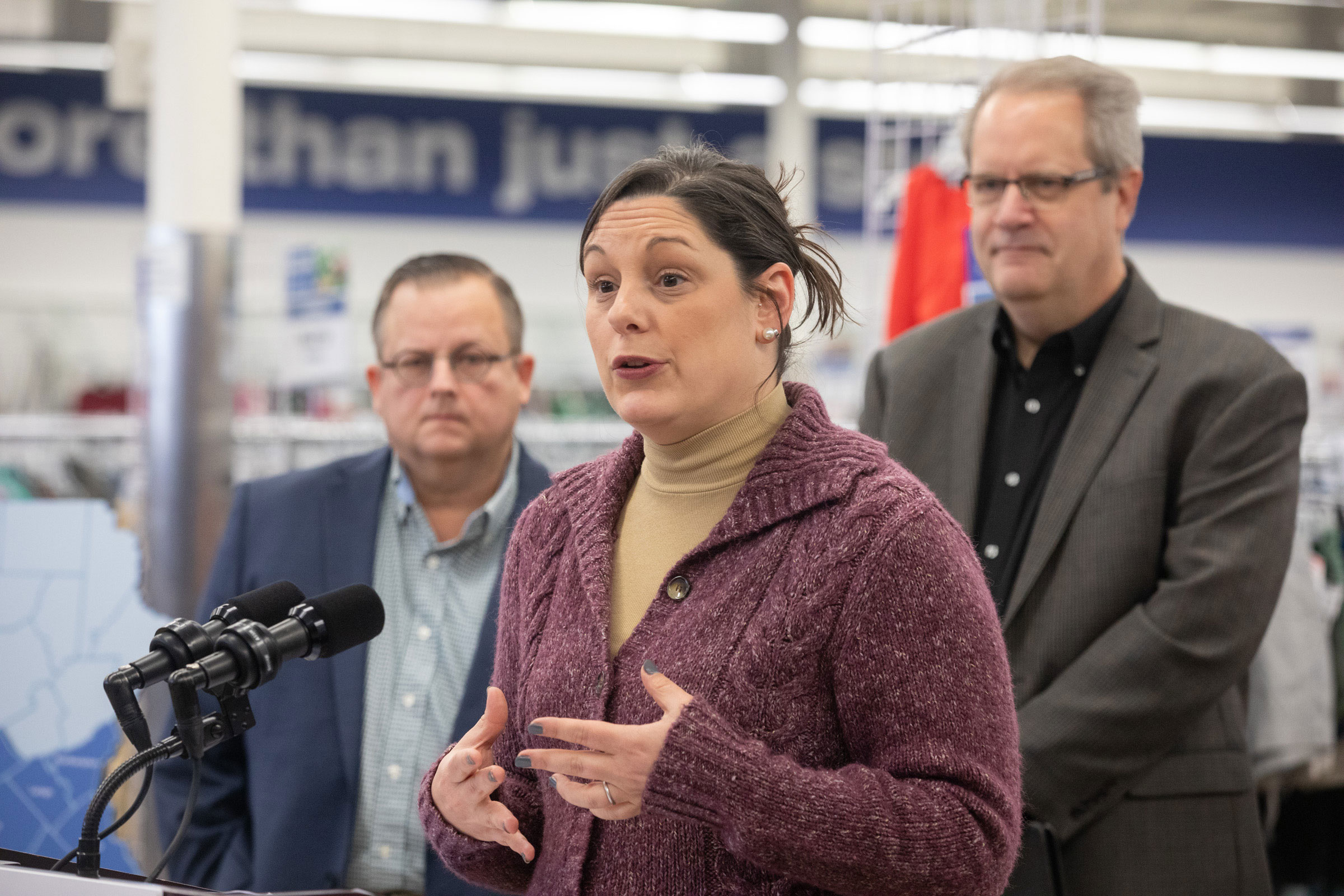
So the mostly low-income women who come to Planned Parenthood or to The Women’s Centers in Southeastern Pennsylvania typically pay about $500 in cash for a first-trimester abortion. “That’s not much different than 20 years ago … which doesn’t mean that, for the communities we serve, it is affordable,” McNellis said, noting that patients commonly seek abortion because they can’t afford another child.
That financial reality puts the onus on providers to bolster both their own fundraising and patient financial counseling. McNellis said The Women’s Centers’ two Pennsylvania clinics, in Philadelphia and Delaware County, connect clients with legal help as well as resources like Pennsylvania’s Abortion Liberation Fund, which provides direct grants to offset abortion costs.
Even so, the rising financial burden of running a specialized ambulatory surgical facility is onerous enough that it’s not hard to understand why so many have closed.
All of that motivates women’s healthcare advocates to crusade against the Medicaid abortion exception. “The lack of Medicaid coverage for abortion care has been identified by our clients and providers as the No. 1 barrier,” said Frietsche. Her organization has been challenging Pennsylvania’s courts to overturn the Hyde provision and enshrine abortion rights in the state constitution.
McNellis said The Women’s Centers are involved in that legal effort, calling it a big step toward “equalizing the playing field” of healthcare access. “If you have a lot of money, a really strong support system, you can jump through all the hoops,” she explained. “But if you’re a young person, in a domestic violence situation, incarcerated … these barriers could be completely untenable.”
Not everyone considers wider abortion access desirable. State Rep. Marla Brown, a Lawrence County Republican who serves on the House Health Committee, introduced this session’s bill banning public monies for abortion.
“I have had experience counseling mothers in difficult situations, and know firsthand the pain experienced,” she told City & State. “But abortion never solves a problem; it creates more of them.”
Regarding legislative efforts to extend public financing for abortion and to roll back requirements around the procedure, Brown added: “It is shameful we are voting on this legislation … I am horrified I serve in a body willing to sanction the ending of life for our most vulnerable and voiceless constituents.”
For now, the Medicaid restrictions impact women’s health providers in other, less obvious ways. Espinoza said Planned Parenthood clinics in the state, which bill patients on a sliding scale, have seen an influx of gynecology patients who lost the Medicaid coverage they would have used elsewhere. That growing volume – now totaling 90,000 visits annually – further burdens an organization under increasing financial strain.
In addition, the City of Philadelphia eliminated direct funding in its latest budget for Planned Parenthood of Southeastern Pennsylvania, which received $500,000 from the city in 2024 and is widely considered a cornerstone of the region’s public-health infrastructure.
“This isn’t something you can just fundraise your way out of,” said Espinoza, who is also vice president of the organization’s Southeastern chapter. “Planned Parenthood centers are the first entry point of healthcare for a lot of people … but they’re eating the cost, and that’s not a sustainable model.”
If Espinoza and her colleagues get their way, legislative and judicial advances could not only reverse the financial quagmire faced by commonwealth abortion providers but also pave the way toward broader access to reproductive choice. Frietsche, for one, thinks this scenario is a plausible one.
“People who are asserting individual rights have historically been looking to the federal Constitution and the federal courts,” she said. “But our state constitution is older and stronger – and better.”
Pennsylvania’s chief legal framework “has an equal rights amendment, it has a racial justice amendment, it has a non-discrimination provision,” Frietsche added. “So this is an exciting time to be trying to advance constitutional rights at the state level.”
Additional reporting by Harrison Cann