Philadelphia
Philadelphia’s forgotten baseball stars helped make America’s pastime an international game
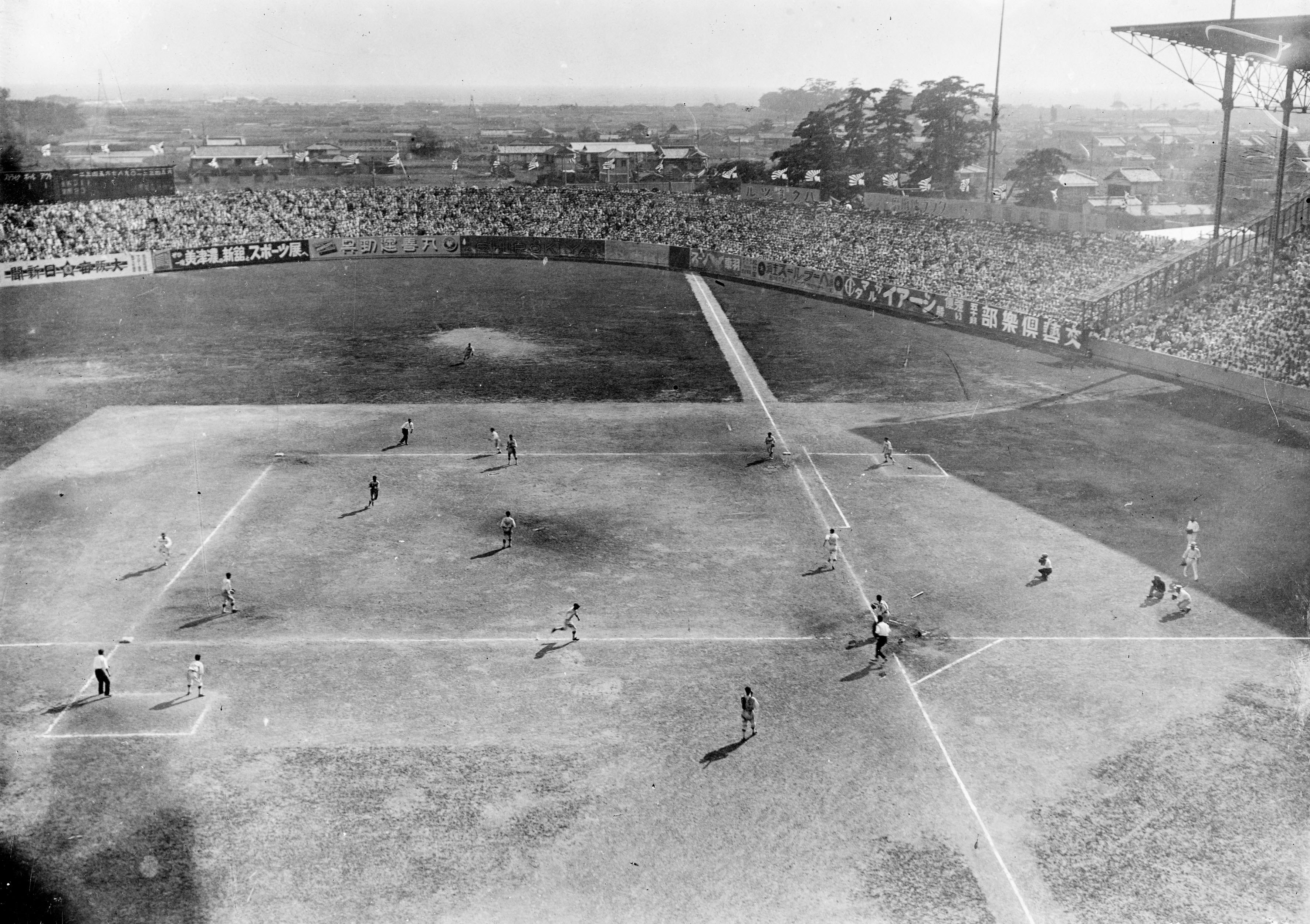
The Philadelphia Royal Giants barnstorming team were the first all-Black team to play in Japan

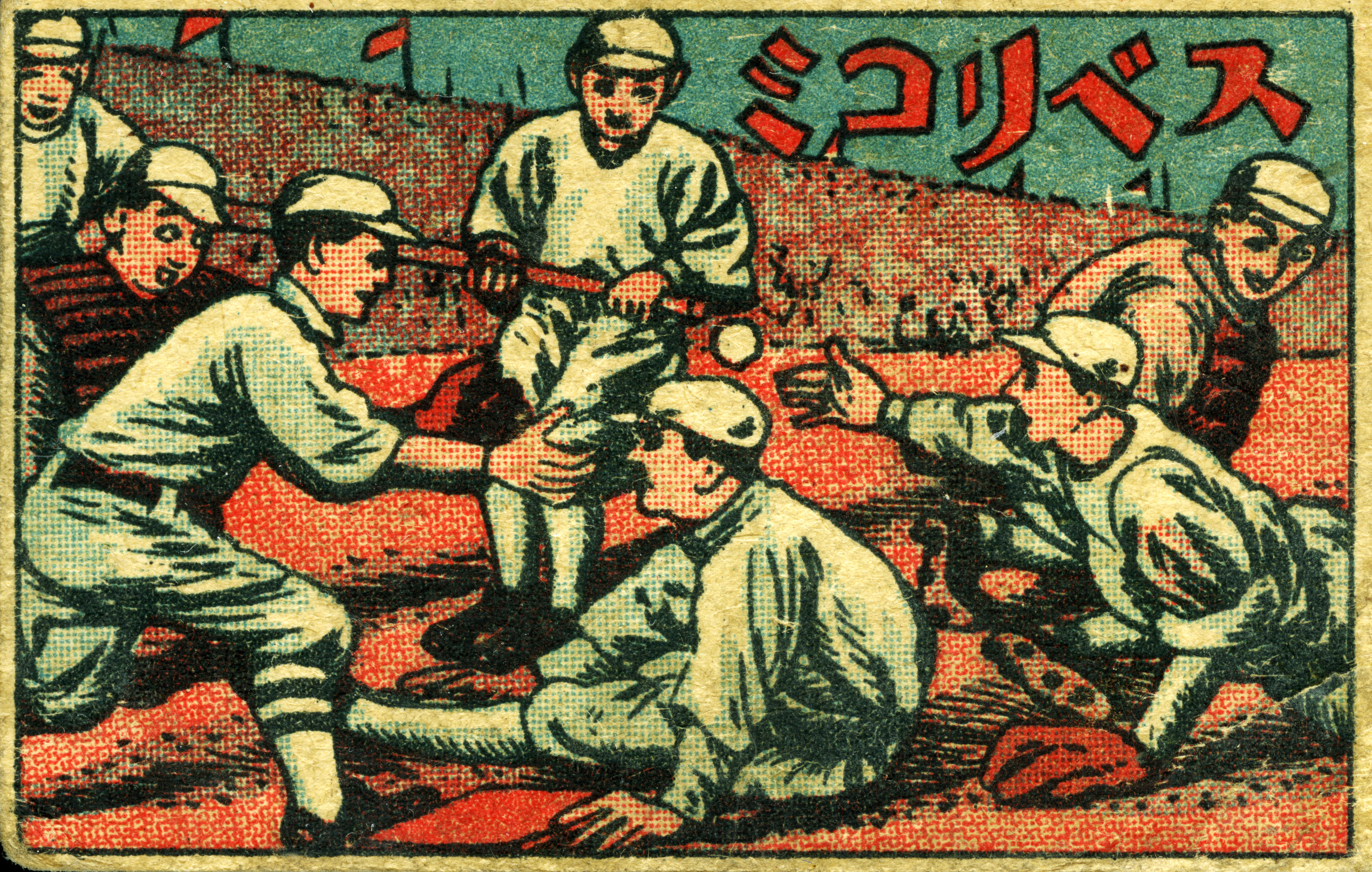
A photo from a Japanese magazine of the Royal Giants' trip to Japan. Negro Leagues Baseball Museum

As Philadelphia basks in the afterglow of hosting the 2026 Major League Baseball All-Star Week – and the international stars who shined in the 4-0 American League win – there has never been a better time to celebrate one of the city’s forgotten trailblazers of the game: the Philadelphia Royal Giants.
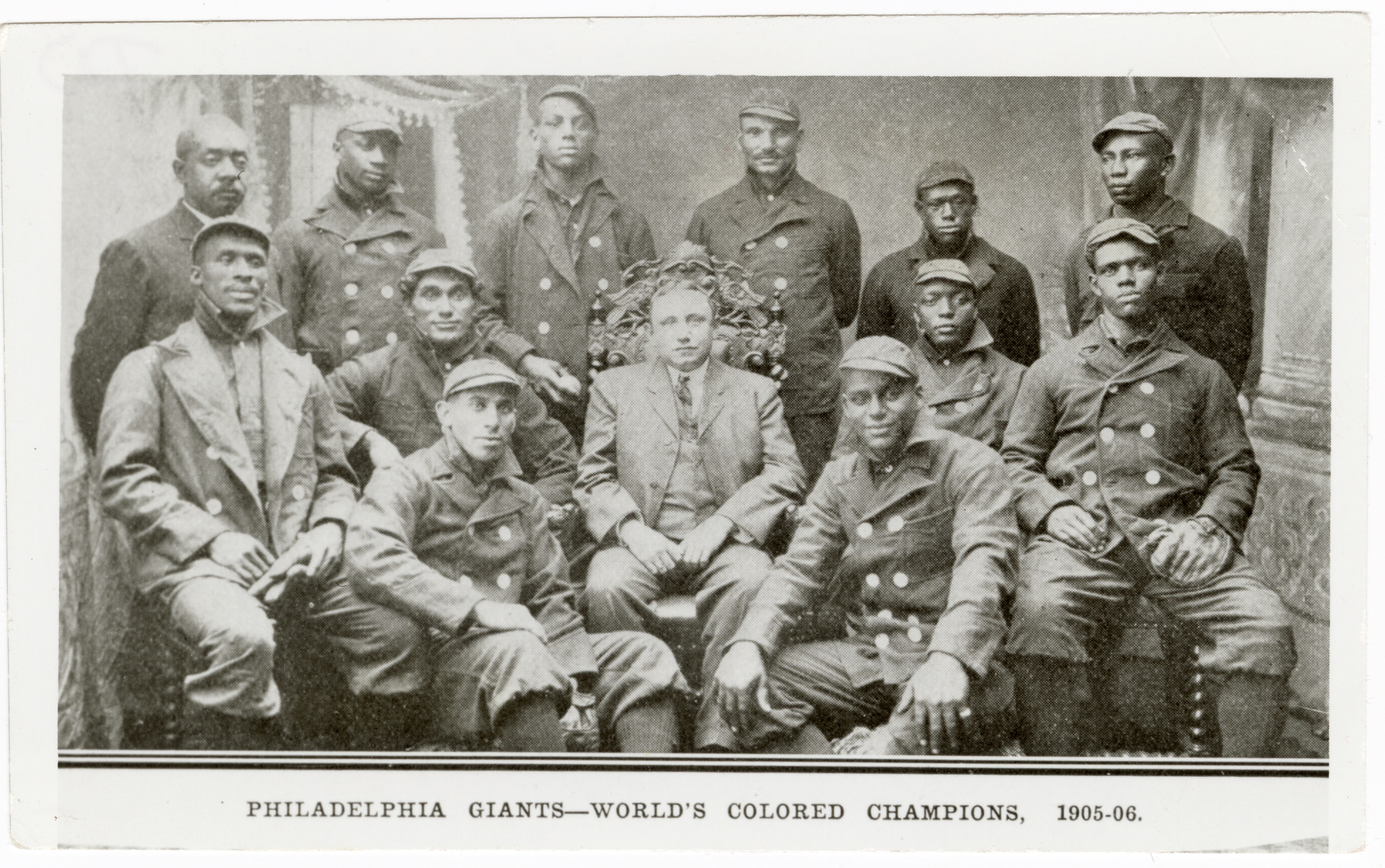
The Royal Giants were a Negro league team that followed in the footsteps of the Philadelphia Giants, a fellow Negro league team that was one of the strongest in Black baseball during its run from 1902 to 1911, including winning the “World’s Colored Championship” in 1905 and 1906. The Giants fielded an astounding six future Hall of Famers: Rube Foster, Frank Grant, Pete Hill, John Henry Lloyd, Louis Santop and Sol White.
The Royal Giants teams that succeeded helped take America’s pastime global by following up the collegiate stars’ 1908 All-American Tour of Japan.
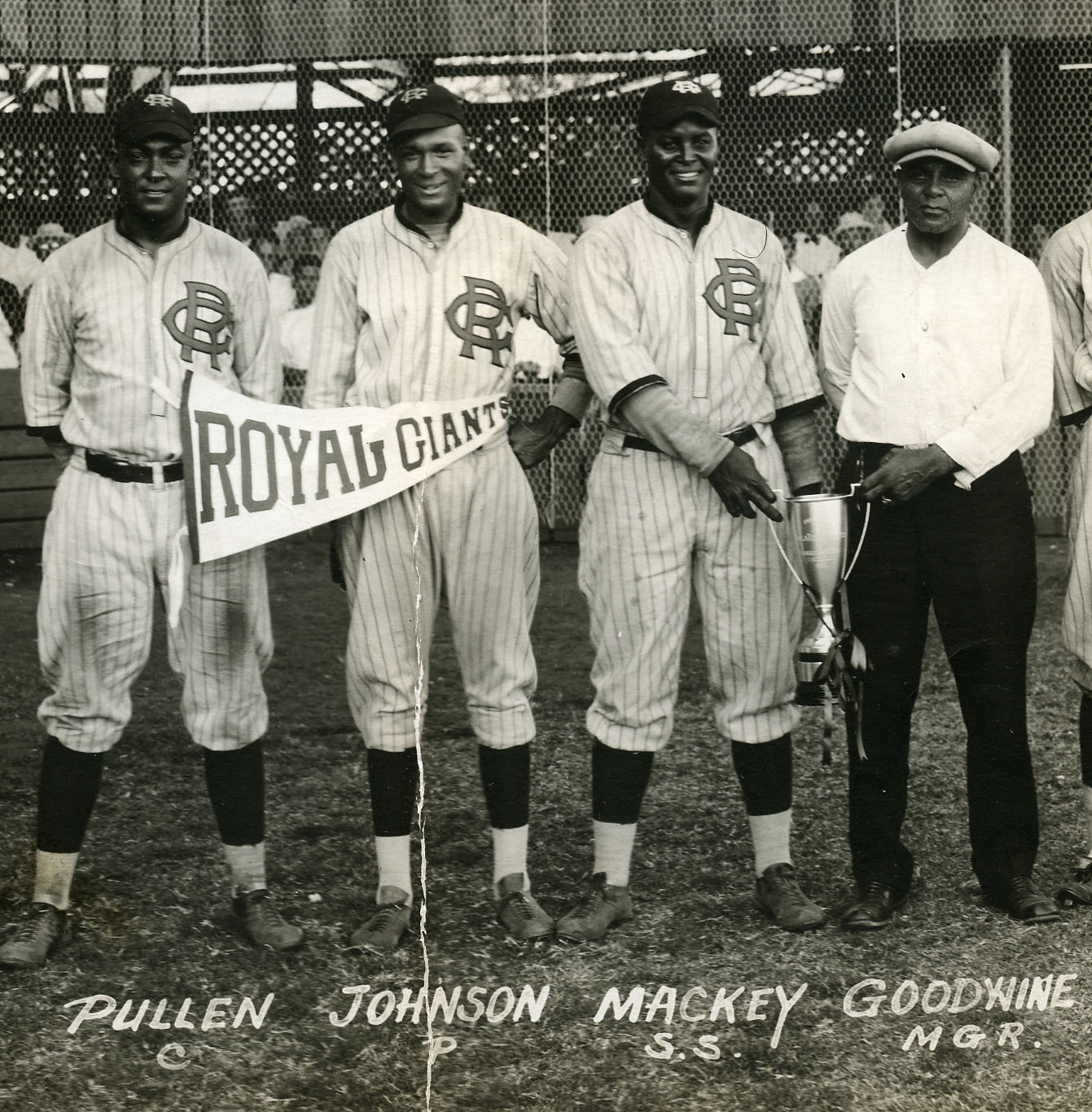
The Philadelphia Royal Giants’ barnstorming schedule brought professional baseball players to Japan in 1927 for a series of international games. The Royal Giants’ residency – as the first all-Black team to play in Japan – took place years before the better-known visit of Babe Ruth and his All-Star-led team, who are credited with bringing baseball into the Japanese mainstream.
“The tour was put together by a Japanese businessman by the name of George Irie. He put that tour together, and they played some games in Hawaii, and then they made their way over to Japan,” Bob Kendrick, president of the Negro Leagues Baseball Museum in Kansas City, Missouri, told City & State. “This team of Black players became early U.S. ambassadors. The Japanese players and fans absolutely adored them.”
The Royal Giants played a 24-game exhibition series in 1927, with a record of 23-0-1 across the Japanese tour. Kendrick said the tour was so successful that it led to Ruth’s All-Star team getting an invite to Japan years later, although the mutual respect among players wasn’t quite there for Ruth’s team.
Ruth’s team “made a mockery of the tour, and the Japanese felt very deflated, very disrespected. Ruth and his all-Americans were essentially doing what most people would have naturally assumed that the Black players would be doing: showboating,” Kendrick said, adding that the Black players “were not subjected to the same kind of racism that they were facing here in the states … the Negro Leaguers were very respectful to their Japanese counterparts.”
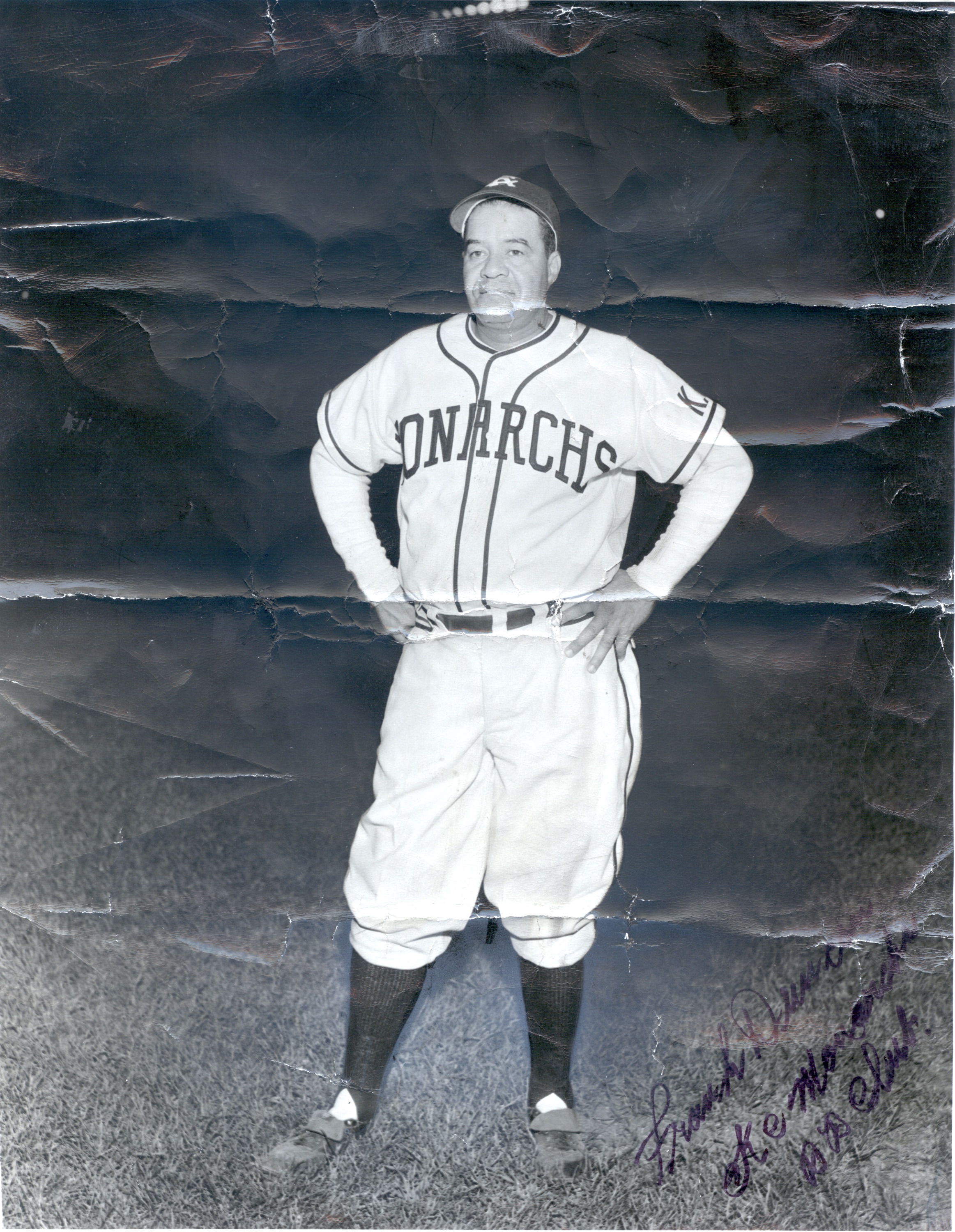
The Royal Giants’ traveling roster included several original Giants players, with era-fitting names: O’Neal Pullen, Frank Duncan, James Raleigh “Biz” Mackey, Herbert “Rap” Dixon, and Andy Cooper. The team also played games in Korea, China and the Philippines.
“There were some tremendous players on that team, led by a couple of Hall of Famers (in Mackey and Cooper), and Riley “Biz” Mackey would teach a young Roy Campanella how to catch,” Kendrick said of their lasting impact. “If Campy were alive today, he'd tell you that the greatest defensive catcher this sport has ever seen was Riley “Biz” Mackey.”
And they didn’t stop there: the team went on another international tour years later before disbanding, playing another 46 games on its 1932-1933 Asian tour.
“It was that tour, and a subsequent tour by that same Philadelphia Royal Giants team, that was the spark that lit the flame that is now the fire for professional baseball in Japan,” Kendrick said. “It's such a tremendous indicator of just how impactful the Negro Leagues were in helping make our game the global game that it is today.”